11 - Why Your Brows Never Grow Back the Same
Many people notice that after years of waxing, threading, over plucking, or changing brow trends, their brows no longer grow back the way they once did.
Areas become:
sparse
uneven
thinner
slower to regrow
And often, it feels like the brows have permanently changed.
This can feel frustrating — especially when fuller, softer brows have become the modern beauty standard.
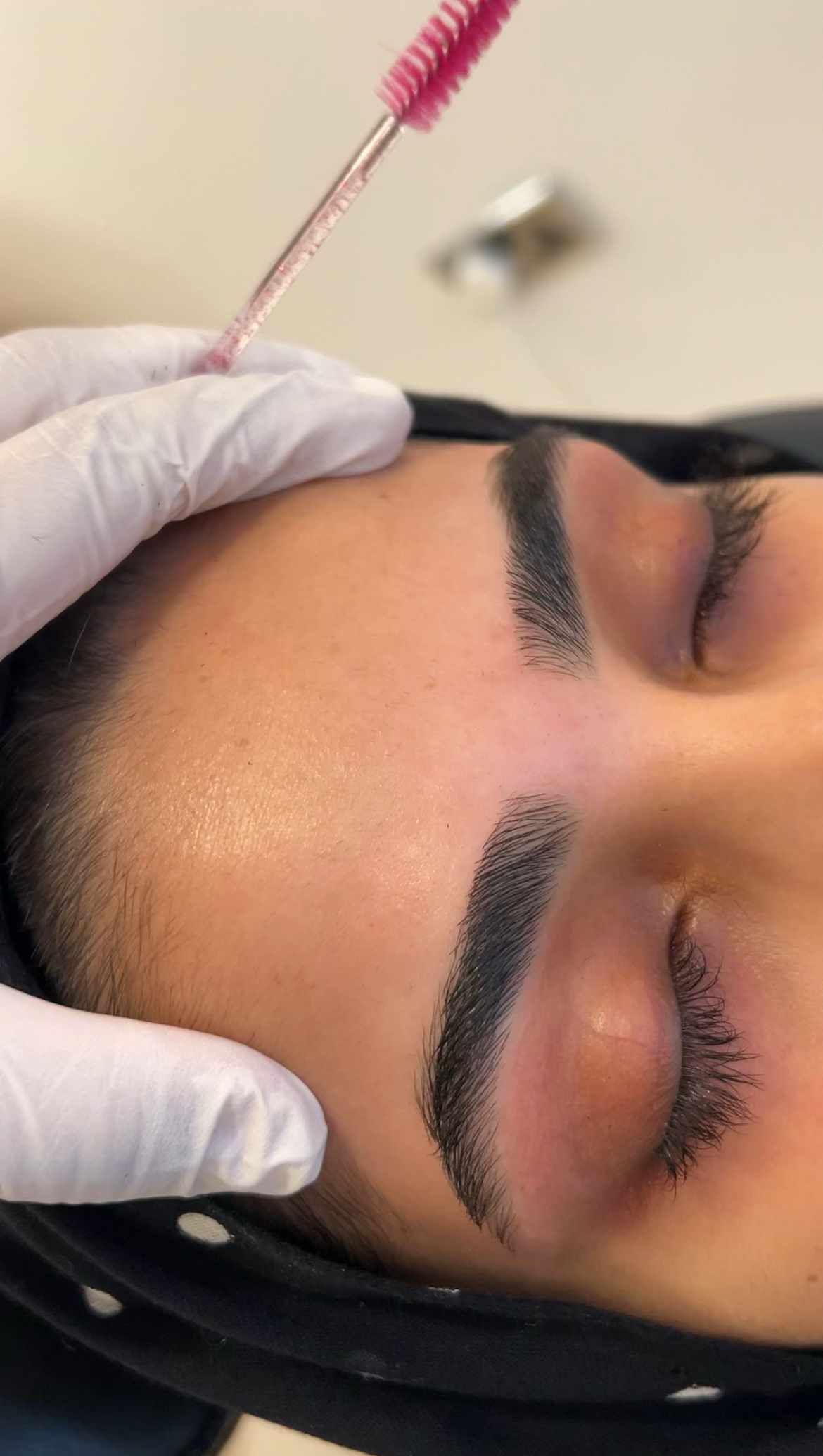
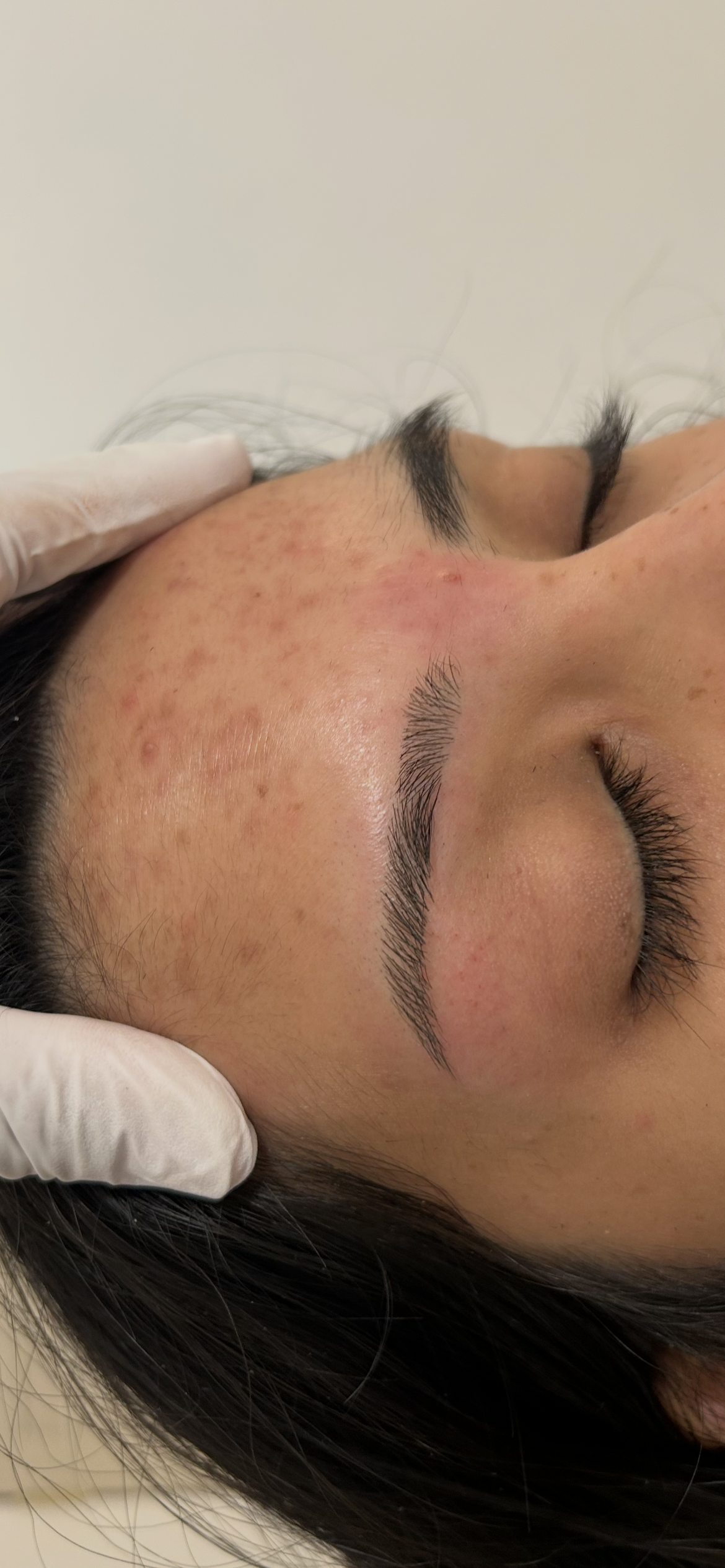
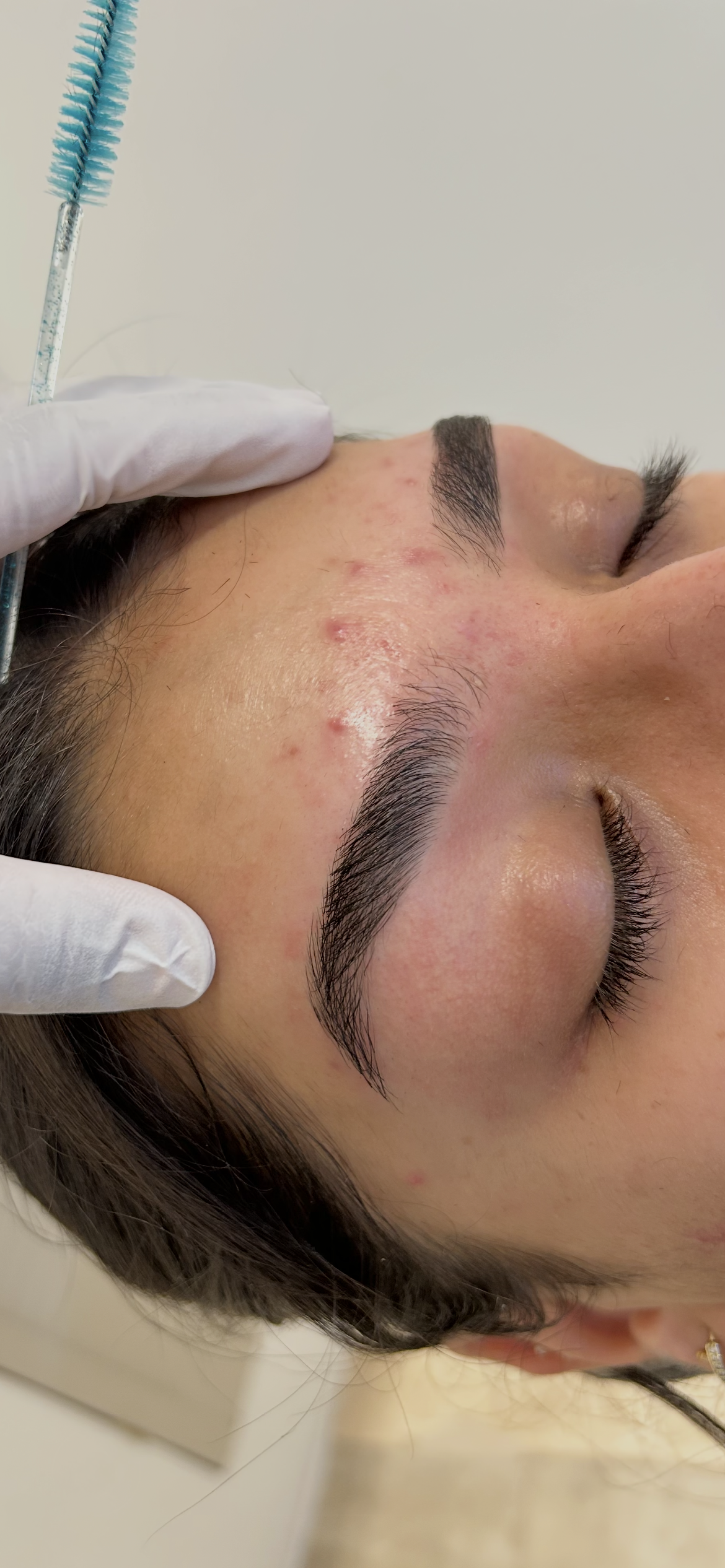
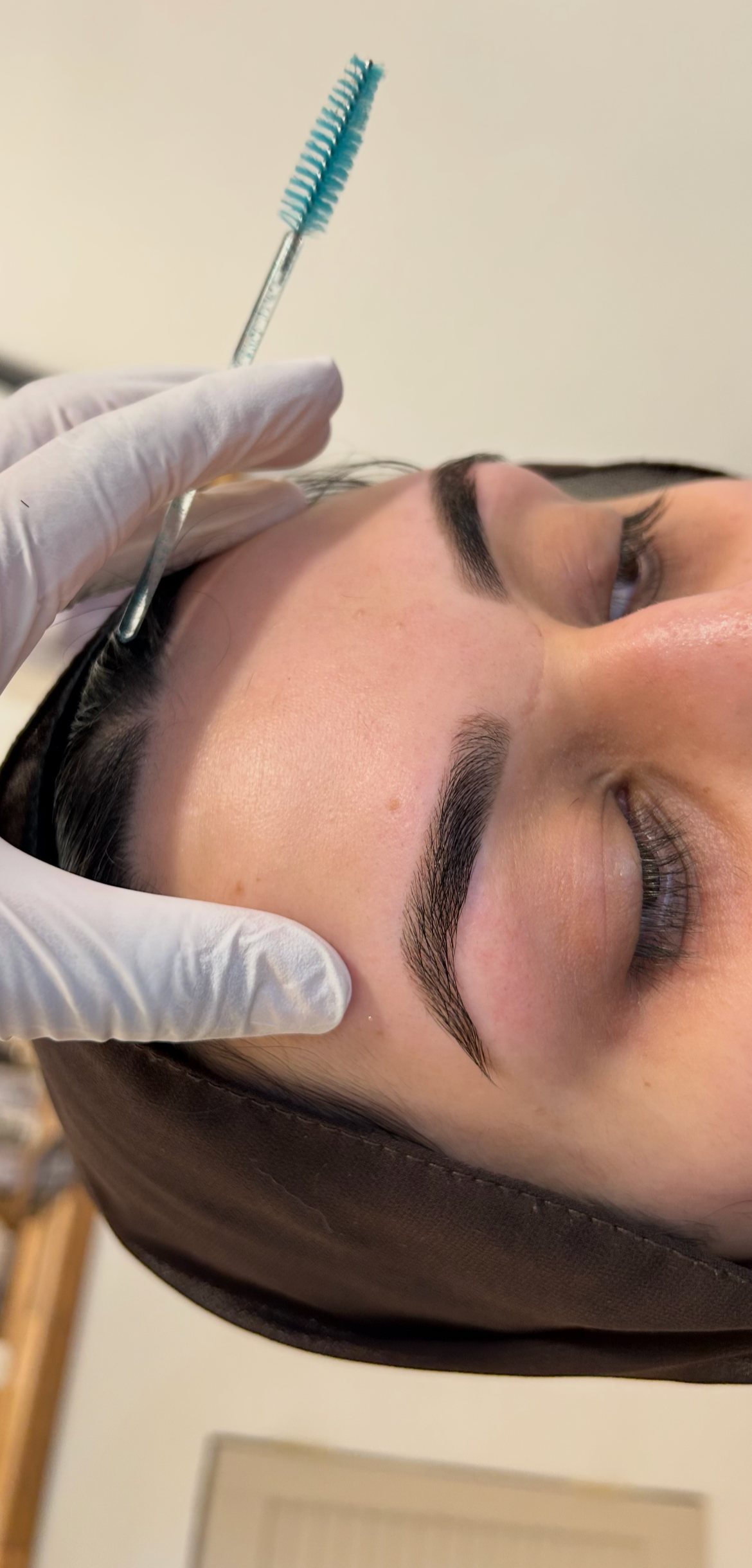
Brows Change Over Time
Brow hair follows a natural growth cycle, much like the hair on the scalp.
Each hair moves through different stages:
growth
resting
shedding
Because of this, brow growth is naturally slower and more delicate than many people realise.
Unlike scalp hair, brows are not designed to grow continuously for long periods of time. Their growth cycle is shorter, which means repeated disruption can affect them more easily.
Why Overplucking Affects Regrowth
One of the most common reasons brows fail to grow back fully is repeated overplucking.
When the same hairs are removed over and over again, the follicle can gradually weaken.
Over time, this repeated trauma may cause:
thinner regrowth
slower growth
patchy areas
hairs that stop returning completely
This is especially common in areas that were consistently over-shaped for years.
For many women, the effects are not immediate. The change often becomes noticeable later, when trying to return to a fuller brow shape.
Waxing and Threading Can Also Influence Brow Health
Professional brow treatments are not damaging when performed correctly, but repeated stress on the skin and follicles can sometimes affect how the brows grow over time.
Aggressive waxing, excessive threading, or frequent reshaping may contribute to:
irritation around the follicle
breakage
uneven regrowth
increased sensitivity
This is why gentler, more controlled brow shaping has become increasingly important in modern beauty.
Hormones and Age Play a Bigger Role Than Most People Think
For many women, brow changes are not only linked to shaping habits.
Hormonal shifts in the late 20s and 30s can also influence hair growth.
Stress, changes in hormone levels, lifestyle, and ageing can all affect:
hair density
texture
regrowth speed
This is why brows sometimes become finer or less consistent over time, even without overplucking.
The brows often reflect internal changes just as much as external ones.
Why Brows Rarely Grow Back Evenly
It is very common for one brow to grow differently from the other.
This can happen because:
previous shaping was uneven
one side experienced more trauma
natural hair patterns differ on each side
Perfect symmetry rarely exists naturally.
Brows are sisters, not twins — and understanding this often creates a softer, more realistic approach to shaping.
What Actually Helps Brows Recover
When trying to improve brow growth, patience becomes essential.
Constantly reshaping or over-manipulating the brows often slows progress.
Instead, it helps to:
allow hairs time to grow through properly
avoid over-tweezing small regrowth
keep the brow area nourished
focus on gentle maintenance rather than perfection
Conditioning (such as castor, rosemary) oils can also help support the appearance and softness of brow hairs while improving the condition of the surrounding skin.
Recovery is usually gradual, not instant.
The Shift Towards Softer Brows
Modern beauty has moved away from harsh, overdefined brows.
Softer shapes, natural texture, and less aggressive fronts now create a look that feels more balanced and timeless.
This shift has encouraged many women to work with their natural brow structure instead of forcing trends that don’t suit their features.
The result often feels lighter, more effortless, and more individual.
A More Realistic Approach to Brows
Brows are rarely meant to look identical or overly perfected.
Their purpose is to frame the face — not overpower it.
When brows are shaped with restraint and understanding, they often look more flattering than heavily manipulated styles.
Because the best brows are not always the fullest or the sharpest —
but the ones that still feel naturally yours.