10 - How to Help Your Nails Recover After Damage
Damaged nails can feel frustrating, uncomfortable, and sometimes even embarrassing.
After repeated gel treatments, aggressive removal, over-filing, or picking at product, nails can begin to feel:
thin
sore
weak
sensitive
prone to peeling or splitting
The good news is that nails are capable of recovering — but they need consistency, patience, and a gentler approach.
Recovery is not about forcing the nails to grow quickly.
It’s about creating the right environment for healthier growth over time.
First: Don’t Panic
One of the biggest mistakes people make after damaging their nails is trying to “fix” them immediately with more product or harsh strengthening treatments.
In most cases, damaged nails are temporary.
The nail plate grows continuously, meaning healthier nail will gradually replace the damaged areas as it grows out.
The goal is to protect the nail during this process — not overload it further.
Keep Nails Short While They Recover
Long nails place more pressure on weakened areas.
Keeping nails shorter during recovery helps:
prevent splitting
reduce bending
avoid further breakage
gradually remove damaged length
As the healthier nail grows through, regular trimming helps cut away the weaker sections over time.
This often makes recovery feel more manageable.
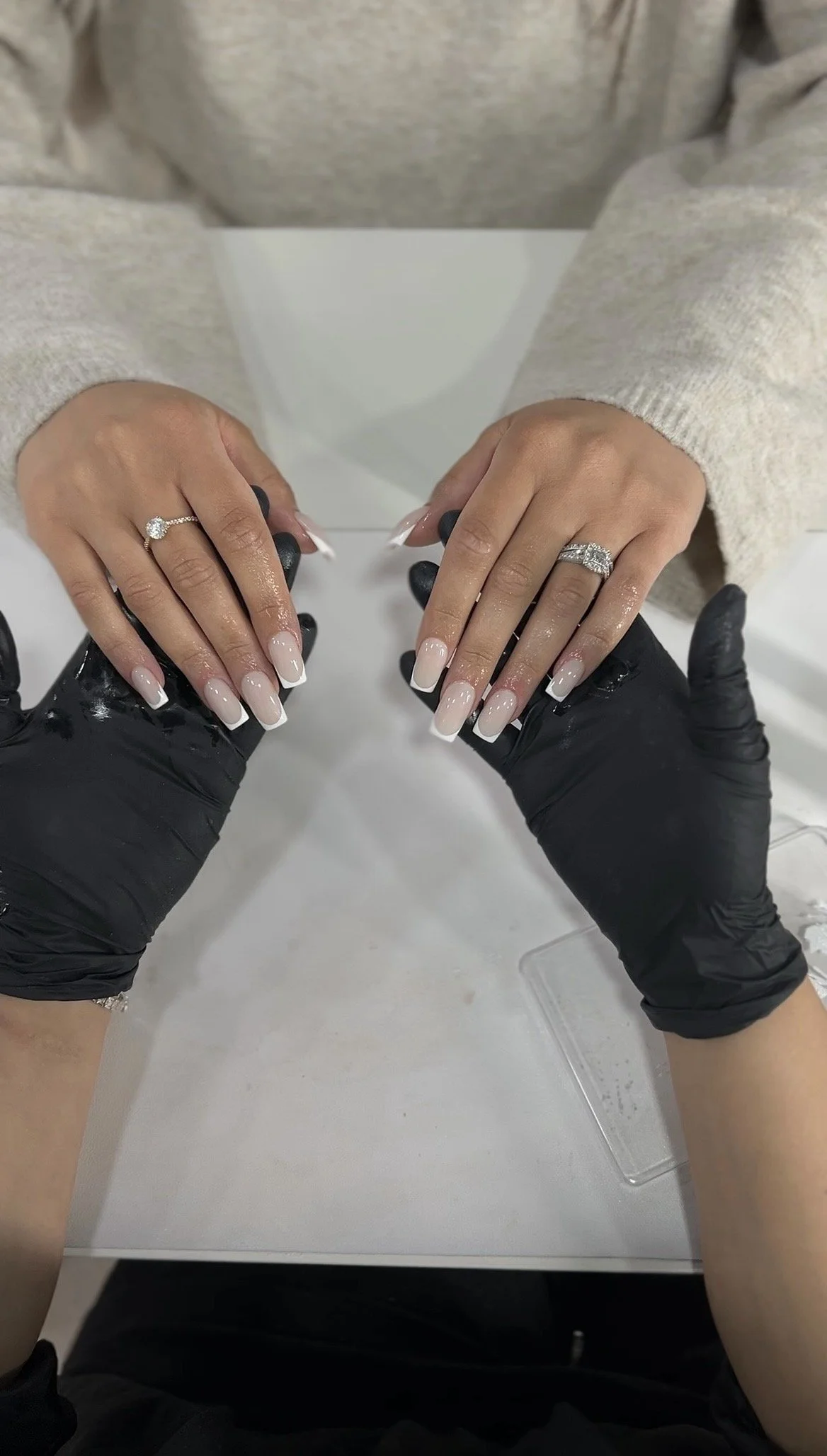
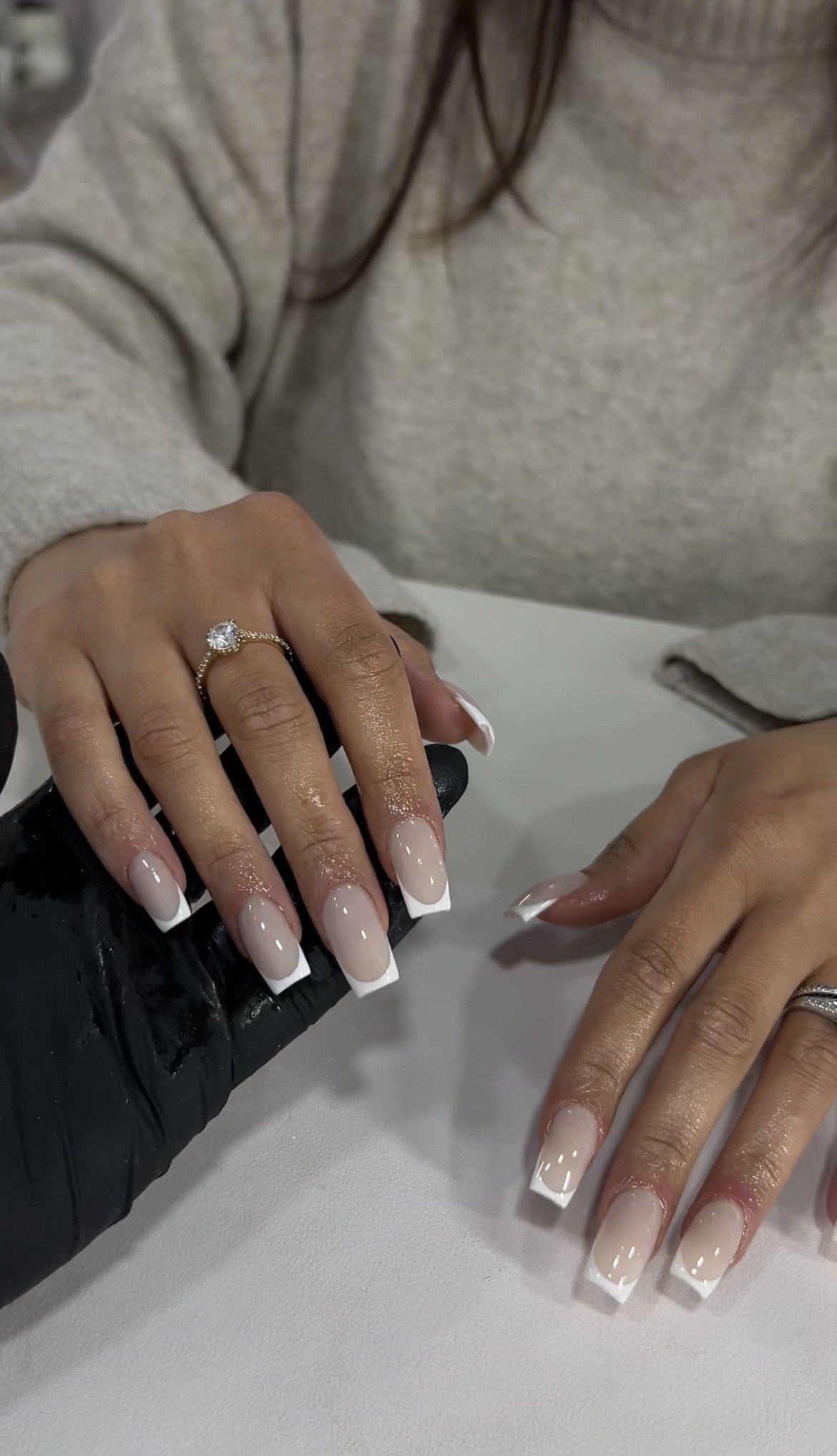
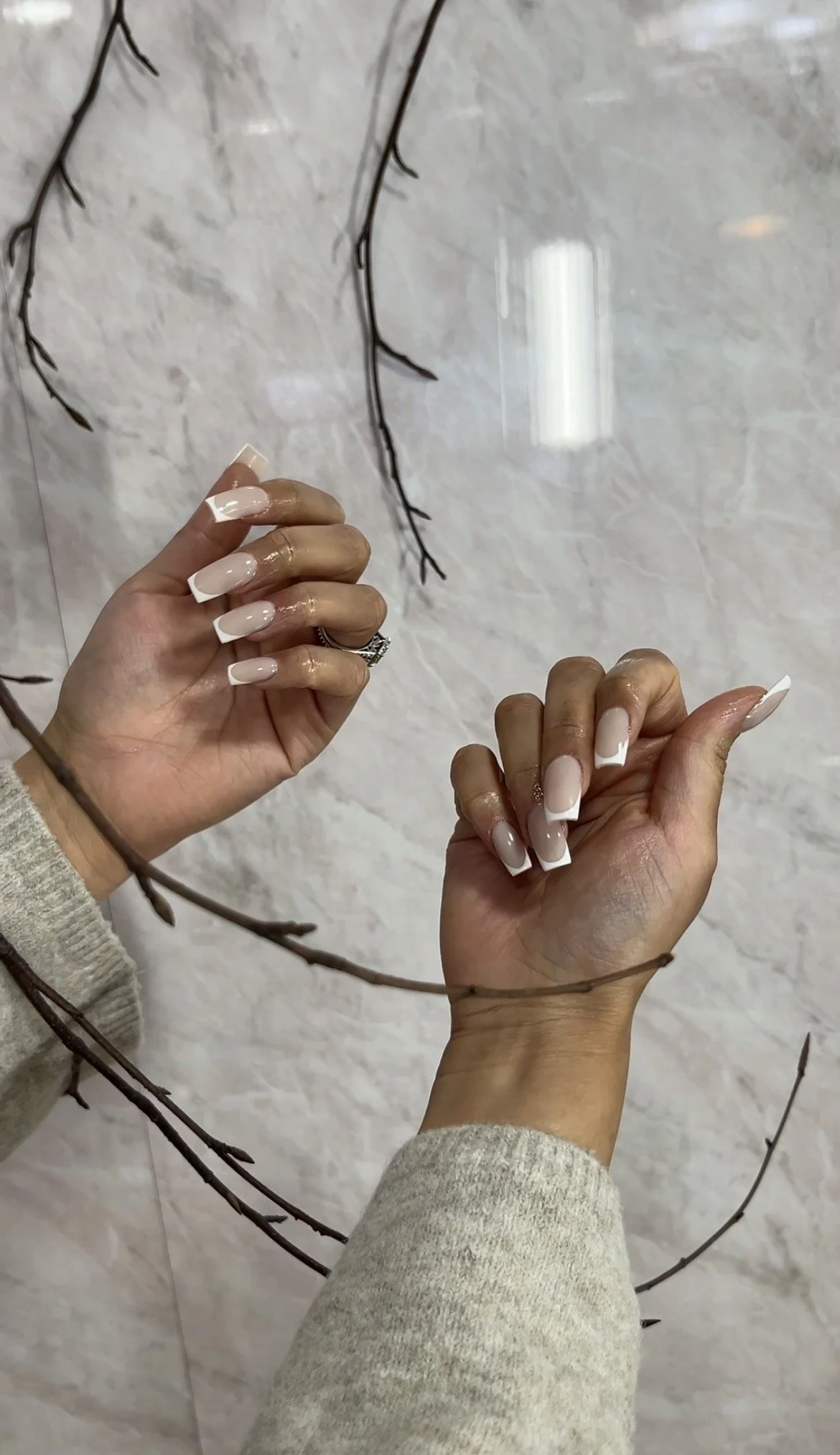
Stick to Simple Manicures
During recovery, less is usually better.
Heavy products, thick overlays, or repeated removals can place additional stress on already weakened nails.
Simple manicures are often the best option:
sheer polish
strengthening base coats
light gel applications (when appropriate)
minimal filing
The focus should be on maintaining the condition of the natural nail rather than covering the damage aggressively.
Hydration Is One of the Most Important Steps
Damaged nails are often extremely dehydrated.
When the nail plate loses moisture, it becomes:
brittle
rough
more likely to peel
Daily cuticle oil helps improve flexibility and condition while supporting healthier growth.
Applying cuticle oil regularly — especially before bed — can help keep both the nail and surrounding skin nourished.
Massage also encourages circulation around the nail area, which supports healthy growth over time.
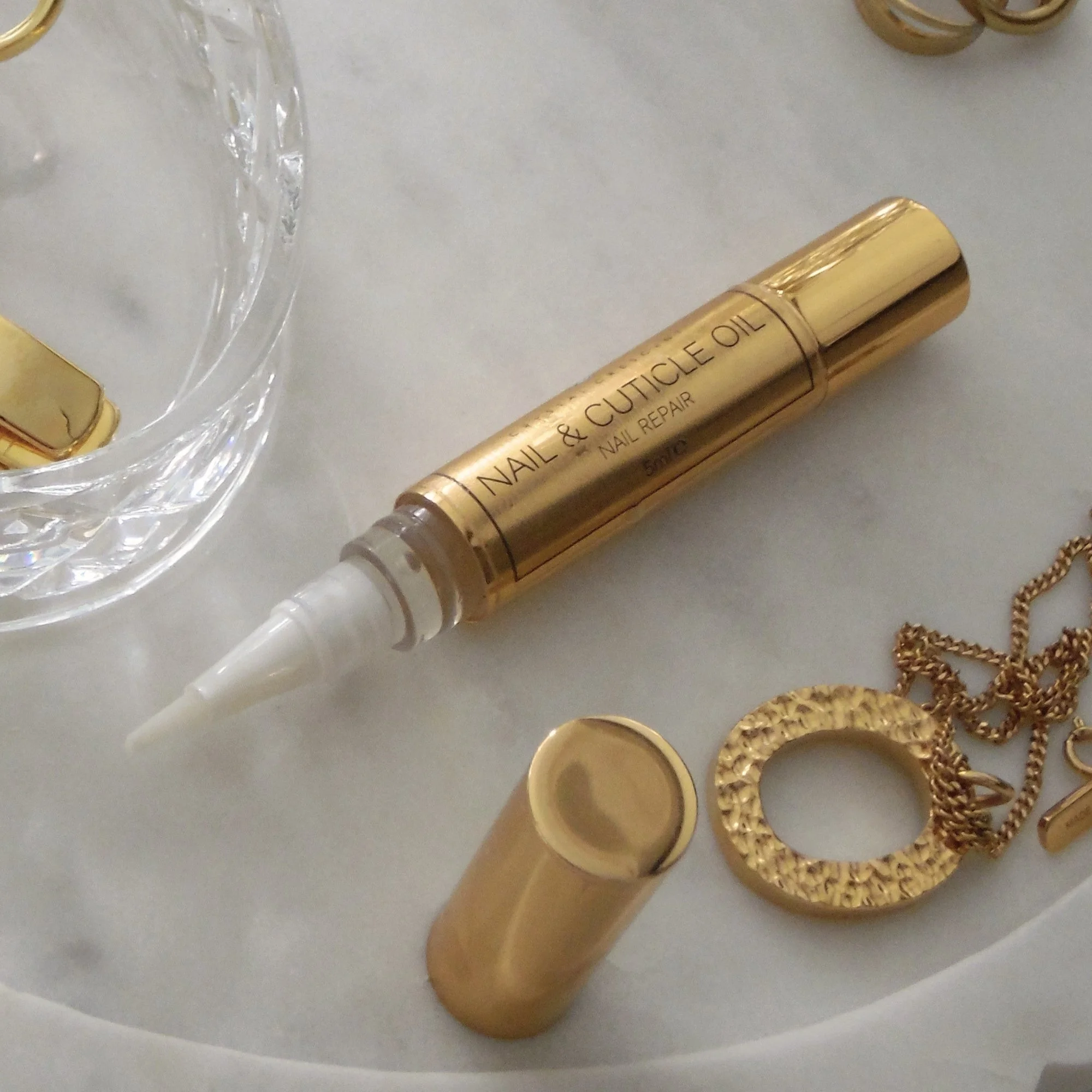
Restore, strengthen, and deeply nourish your nails with our Vitamin E & Jojoba Cuticle Oil — a daily essential designed to support healthy nail growth and soft, hydrated cuticles.
Avoid Very Hot Water
Many people don’t realise that excessive heat can worsen dryness in both the skin and nails.
Very hot water may leave nails feeling softer temporarily, but repeated exposure can contribute to dehydration and weakness.
Try:
washing dishes with warm or lukewarm water
avoiding extremely hot baths or showers
wearing gloves during cleaning where possible
Small habits like these can make a noticeable difference during recovery.
Avoid Picking or Peeling Product
Peeling off gel or remaining product removes layers of the natural nail along with it.
Even small amounts of picking can:
thin the nail plate further
create rough texture
delay recovery
If product begins lifting, it’s always better to have it removed properly rather than pulling it away yourself.
Be Gentle With the Nail Surface
When nails feel rough or uneven, it can be tempting to over-buff them.
But excessive buffing removes even more layers from an already weakened nail.
Instead:
file gently when needed
avoid unnecessary buffing
keep the nail protected and clean
The goal is preservation, not perfection.
Support Nail Health From Within
Nails are influenced by overall health too.
Factors such as:
hydration
nutrition
stress
sleep
can all affect nail growth and strength.
Recovery often improves when the body is properly supported overall.
Understand That Recovery Takes Time
Nails grow slowly — usually around a few millimetres each month.
This means recovery is gradual.
You may notice:
reduced sensitivity first
less peeling over time
healthier growth near the cuticle area before the ends improve
Consistency matters far more than quick fixes.
Choose Future Appointments Carefully
Once nails begin recovering, the way future treatments are performed becomes important.
Healthy nail care should involve:
gentle prep
careful removal
controlled filing
proper product application
Beautiful nails should never come at the expense of long-term nail health.
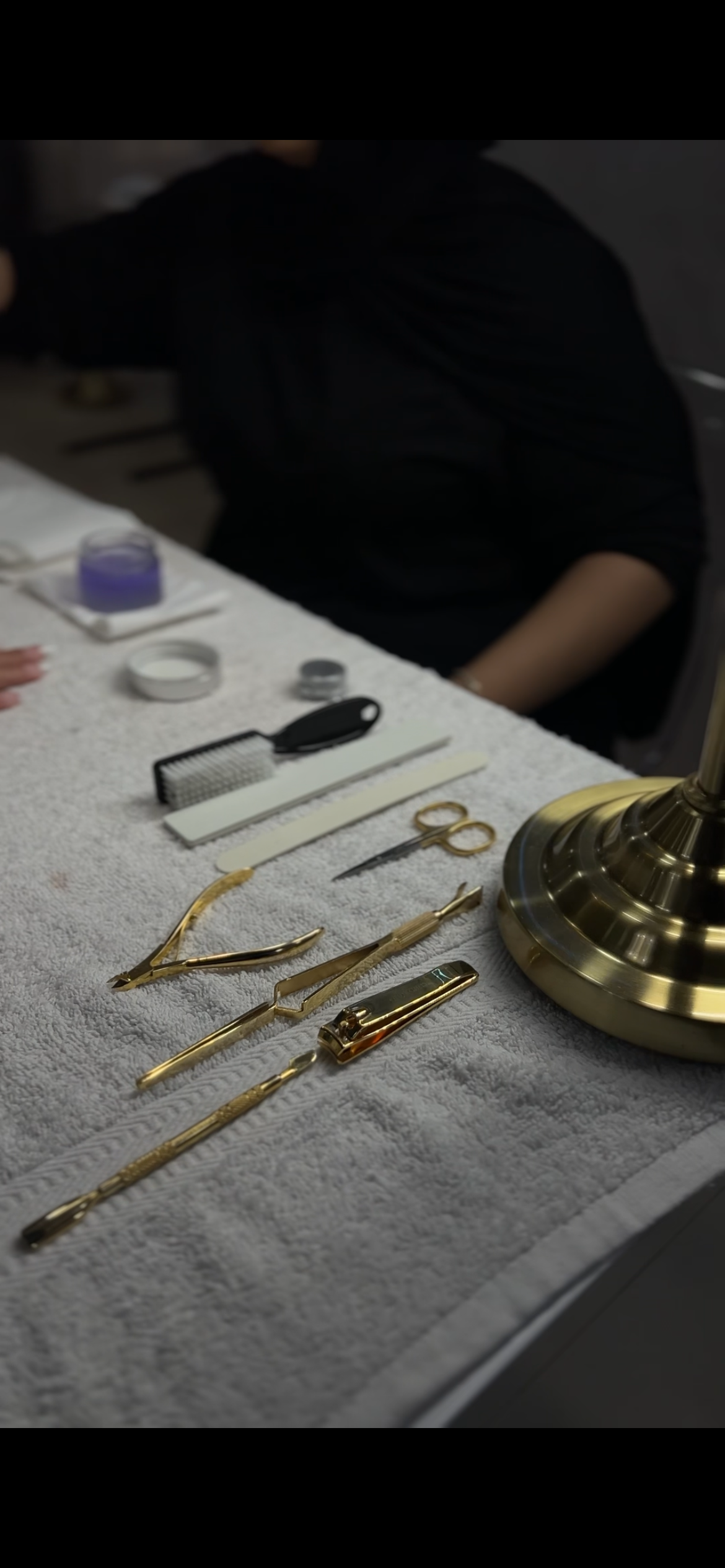
Damaged nails do not need punishment or aggressive treatments to recover.
They need patience, protection, hydration, and time.
Because healthy nails are rebuilt gradually —
through consistency, not force.
Explore nail care essentials designed to support hydration, protection, and healthier natural nails.
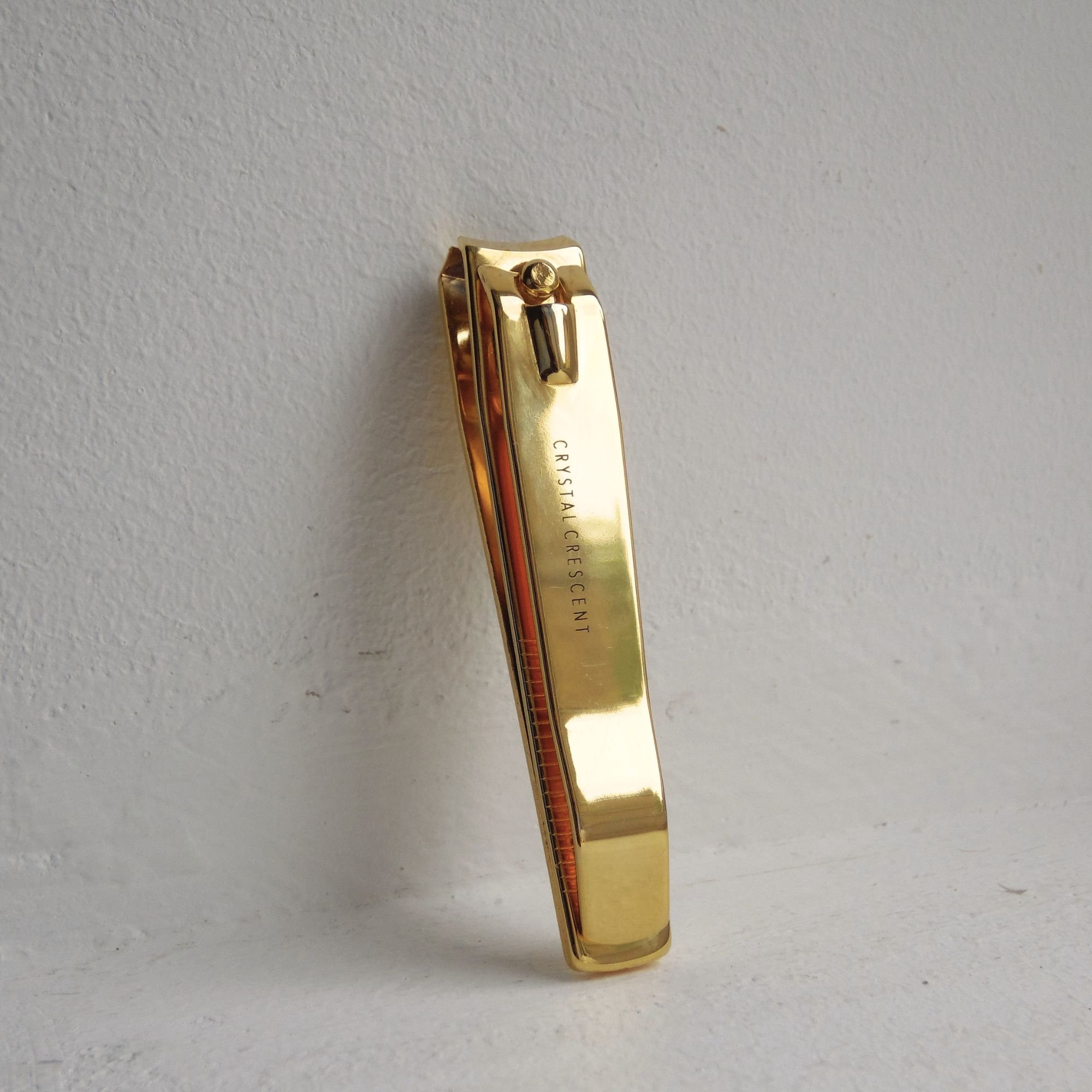
Designed for precision and ease, the Nyla Nail Cutter delivers clean, controlled trimming for a refined nail finish — whether in-salon or at home.
Crafted for professional use, this precision tool allows for:
Smooth, accurate nail trimming
Controlled shaping and length reduction
Cleaner manicure and pedicure preparation
Reduced splitting and uneven cutting
Care Instructions
Clean and sanitise thoroughly after each use. Store in a dry, hygienic environment suitable for professional tools.