16 - The Brow Mapping Debate: Science or Guideline?
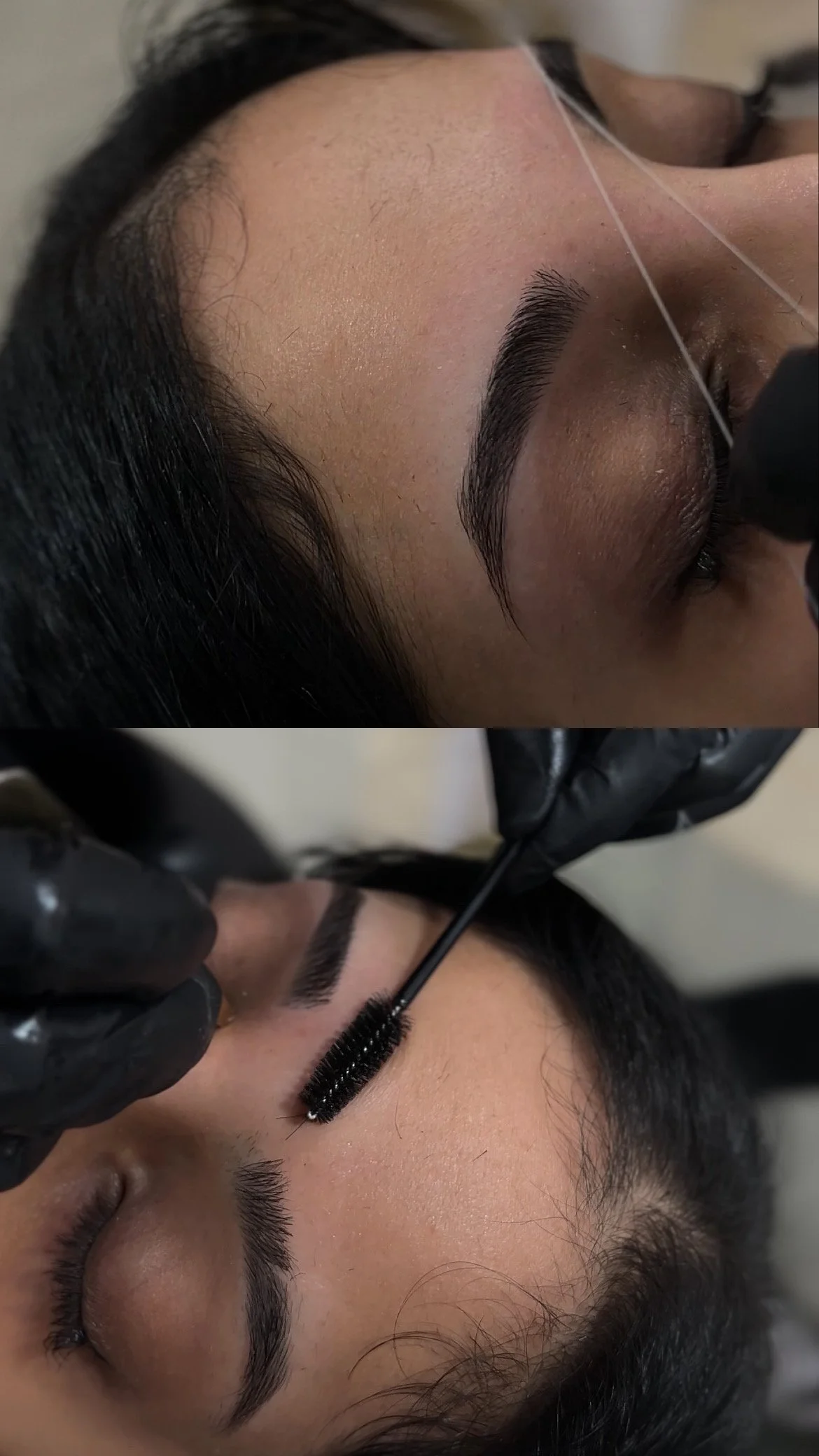
Few techniques are as widely used in the beauty industry as brow mapping.
Whether you're booking a brow wax, tint, shaping appointment, or brow lamination, you've likely seen a technician measuring points across the face before beginning treatment.
For many clients, brow mapping appears highly scientific.
Measurements are taken.
Lines are drawn.
Symmetry is assessed.
The process can feel precise, almost mathematical.
But this raises an interesting question.
Is brow mapping an exact science that guarantees perfect brows?
Or is it simply a guideline designed to help professionals make better decisions?
The answer sits somewhere in between. Yet again.
What Is Brow Mapping?
Brow mapping is a technique used to help determine the most suitable starting point, arch, and tail position of the eyebrow.
Using facial landmarks, professionals create reference points that help guide shaping and design.
The goal is to create balance between the brows and the rest of the face.
For many clients, it provides a useful starting point for achieving a more harmonious shape.
But like any tool, it has limitations.
Why Brow Mapping Became So Popular
The rise of social media brought brow mapping into the spotlight.
Clients became more aware of shaping techniques and began expecting increasingly precise results.
At the same time, brow services evolved significantly.
Professionals moved away from simply removing unwanted hair and began focusing on customised shaping.
Brow mapping helped create consistency.
It offered a framework that allowed technicians to approach each brow methodically rather than relying solely on instinct.
The Science Behind Brow Mapping
There is genuine logic behind brow mapping.
The face contains natural proportions that influence how features appear together.
By measuring key points, brow professionals can often improve:
facial balance
symmetry
proportion
overall harmony
This is why brow mapping has become such a valuable tool within the industry.
It allows technicians to make informed decisions rather than simply following trends.
The Problem With Perfect Symmetry
This is where the debate begins.
Human faces are naturally asymmetrical.
One eye may sit slightly higher than the other.
One brow may naturally grow differently.
One side of the face may carry more expression than the other.
This means that perfectly symmetrical brows are often unrealistic.
In fact, attempting to force complete symmetry can sometimes create a less natural result.
Many experienced brow artists understand that balance often looks better than perfection.
Should Every Brow Follow the Same Formula?
One of the biggest criticisms of brow mapping is that it can sometimes encourage a "one-size-fits-all" approach.
Brows are influenced by:
bone structure
muscle movement
hair growth patterns
facial expressions
personal style
Two people with similar facial measurements may suit completely different brow shapes.
This is where professional judgement becomes important.
A map can provide direction.
It cannot replace experience.
The Role of the Brow Artist
The best brow professionals rarely rely on measurements alone.
They combine:
technical knowledge
observation
experience
client preferences
Brow mapping provides the framework.
The artistry comes from knowing when to follow it and when to adapt it.
This is often what separates a technically correct brow from a truly flattering one.
Trends Versus Individuality
Beauty trends come and go.
Over the years we have seen:
ultra-thin brows
heavily arched brows
Instagram brows
laminated brows
fluffy natural brows
Not every trend suits every face.
The most successful brow shape is usually the one that works with a person's natural features rather than against them.
This is why many professionals now focus less on trends and more on individual suitability.
So, Is Brow Mapping Science or Guideline?
The answer is both.
Brow mapping is based on genuine principles of balance and proportion.
It provides valuable guidance and helps create consistency.
But it is not an exact formula that guarantees the perfect brow.
The best results come when technical knowledge is combined with professional judgement.
Because brows are not simply measurements on a face.
They are part of a person's expression, personality, and individuality.
The Real Purpose of Brow Mapping
Perhaps the goal of brow mapping is not to create perfect brows at all.
Perhaps its purpose is simply to provide a starting point.
A framework.
A guide.
After that, experience, artistry, and understanding take over.
Because the best brows are rarely the most symmetrical.
They are the ones that feel balanced, natural, and uniquely suited to the person wearing them.
Good brow artists don't just follow the map.
They know when to look beyond it.
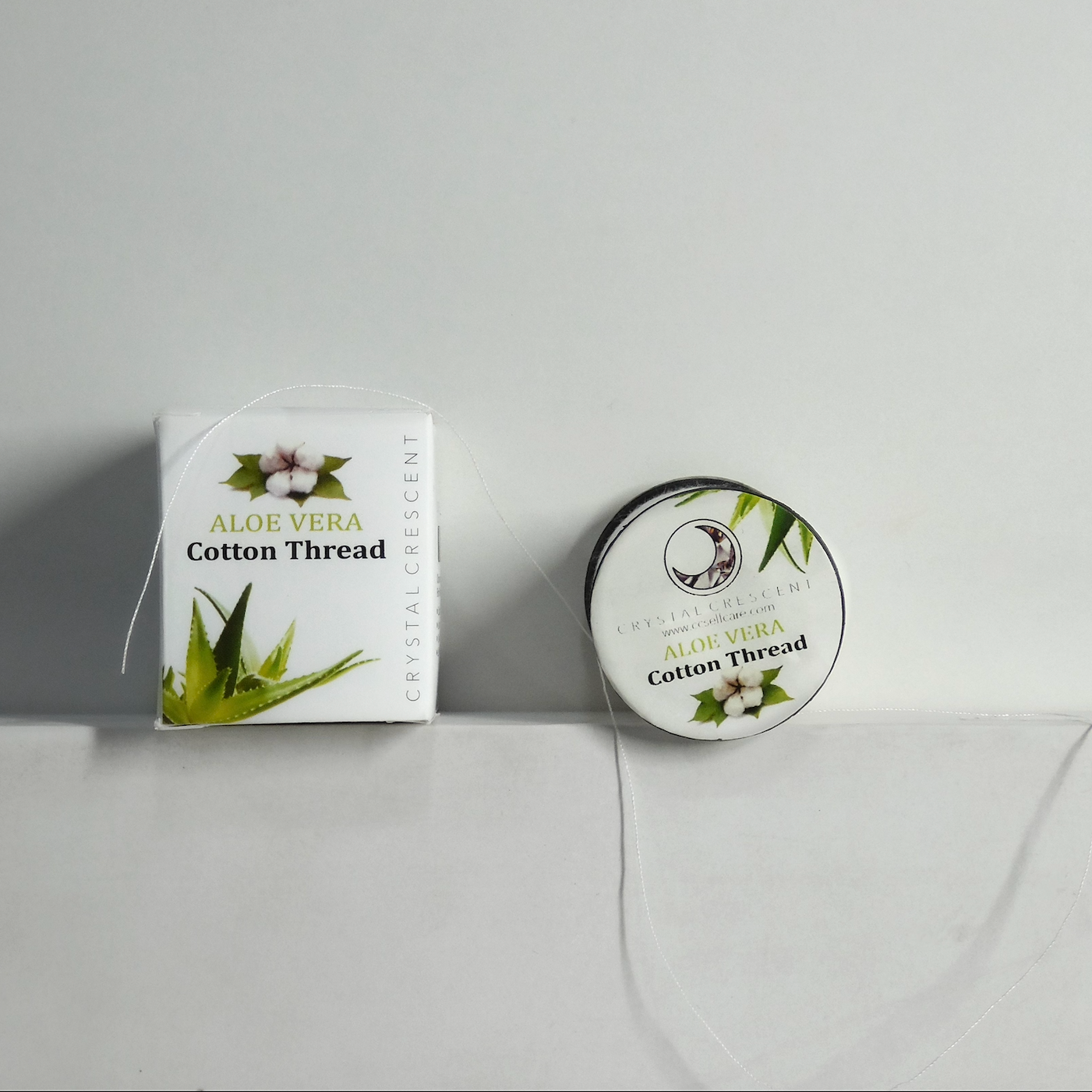
Designed for precision and control, our Aloe Vera Cotton Threading Thread delivers a smooth, gentle threading experience — ideal for shaping brows with accuracy and comfort.