22 - Your Skin Knows Autumn Is Coming Before You Do
There is always that strange point between summer and autumn.
The days are still fairly warm. The coats haven't quite come out. The heating isn't permanently on.
Yet your skin can already feel different.
Perhaps your moisturiser suddenly isn't enough. Your face feels tighter after cleansing. Makeup isn't sitting quite as smoothly. Your skin looks duller, feels slightly rougher, or becomes sensitive for seemingly no reason.
It can feel like it happened overnight.
It didn't.

Your skin is constantly responding to its environment, and the transition from summer into autumn can affect it before you've even noticed the season changing.
Your Skin Doesn't Follow the Calendar
We tend to think about seasonal skincare in very definite terms.
Summer means SPF and lightweight products.
Winter means richer moisturisers and dry skin.
But our skin doesn't wait until December to decide it's winter.
Changes in temperature, humidity, wind and our indoor environment can all influence how the skin feels and behaves.
As we move towards autumn, the combination of cooler outdoor air and eventually warmer, heated indoor environments can increase moisture loss from the skin.
For some people, the first sign isn't visibly dry skin at all.
It might simply be tightness.
A little sensitivity.
More texture.
Or that feeling that your usual skincare routine suddenly isn't doing quite enough.
Summer Can Leave Something Behind
There's another part of autumn skincare we don't talk about enough.
Your summer skin doesn't disappear in September.
Months of increased sun exposure, heat, sweating, holidays, swimming, air conditioning and heavier SPF use can leave their mark.
You might begin noticing:
Uneven skin tone
Pigmentation appearing more noticeable
Dehydration
Congestion
Rougher texture
Increased sensitivity
Dullness
Some of these changes become more obvious once summer ends and the skin isn't constantly dealing with heat and increased oil production.
Autumn can therefore be less about "fixing winter skin" and more about assessing what summer has left behind.
Dry and Dehydrated Aren't Necessarily the Same Thing
This distinction becomes particularly useful at this time of year.
Dry skin generally lacks oil.
Dehydrated skin lacks water.
And yes, oily skin can still be dehydrated.
That's why simply reaching for the thickest moisturiser you can find isn't always the answer.
Skin can feel tight while still producing plenty of oil. In some cases, adding lots of heavy products without understanding what the skin needs can leave it feeling congested rather than comfortable.
This is where paying attention to your own skin becomes far more useful than automatically following a seasonal skincare trend.
Don't Completely Change Your Routine Overnight
When the weather changes, there's often a temptation to buy an entirely new skincare routine.
You probably don't need to.
Instead, look at what your skin is actually telling you.
If your cleanser suddenly leaves your face feeling tight, it may be time to reconsider how stripping it is.
If a lightweight summer moisturiser no longer feels sufficient, you may need something more supportive.
If your skin feels irritated, introducing several new acids, scrubs and active ingredients at once probably isn't the best response.
Seasonal skincare doesn't have to mean more skincare.
Sometimes it simply means adjusting what you already use.
Your Skin Barrier Matters
You'll hear the words skin barrier everywhere now, but there's a reason professionals talk about it so much.
The outermost layers of the skin help limit water loss while protecting against the outside environment.
When that barrier isn't functioning at its best, skin can become:
Tight
Dry
Flaky
Sensitive
Irritated
Uncomfortable
As autumn approaches, this is a good time to pay attention to those early signs rather than waiting until your skin becomes extremely dry later in the year.
Gentle cleansing, adequate moisturisation and avoiding unnecessary over-exfoliation can make a considerable difference.
And No — SPF Doesn't Retire in September
The sunshine might disappear.
Your SPF shouldn't.
UV exposure doesn't suddenly stop because summer is over, and UVA radiation can still reach the skin on cloudy days and through windows.
If you've spent summer being consistent with sun protection, autumn isn't the time to abandon the habit.
SPF is not simply a holiday product.
It belongs in your routine throughout the year.
Be Careful With the Autumn "Reset"
September often feels like a reset.
New season.
New routine.
New products.
And after months of summer, you may be tempted to scrub, exfoliate and throw every active ingredient you own at your skin.
Be careful.
Skin that is already feeling dehydrated or sensitive doesn't necessarily need more exfoliation.
Sometimes it needs less interference.
This is one of the reasons professional skin treatments should never be completely one-size-fits-all.
What one person's post-summer skin needs may be completely different from another's.
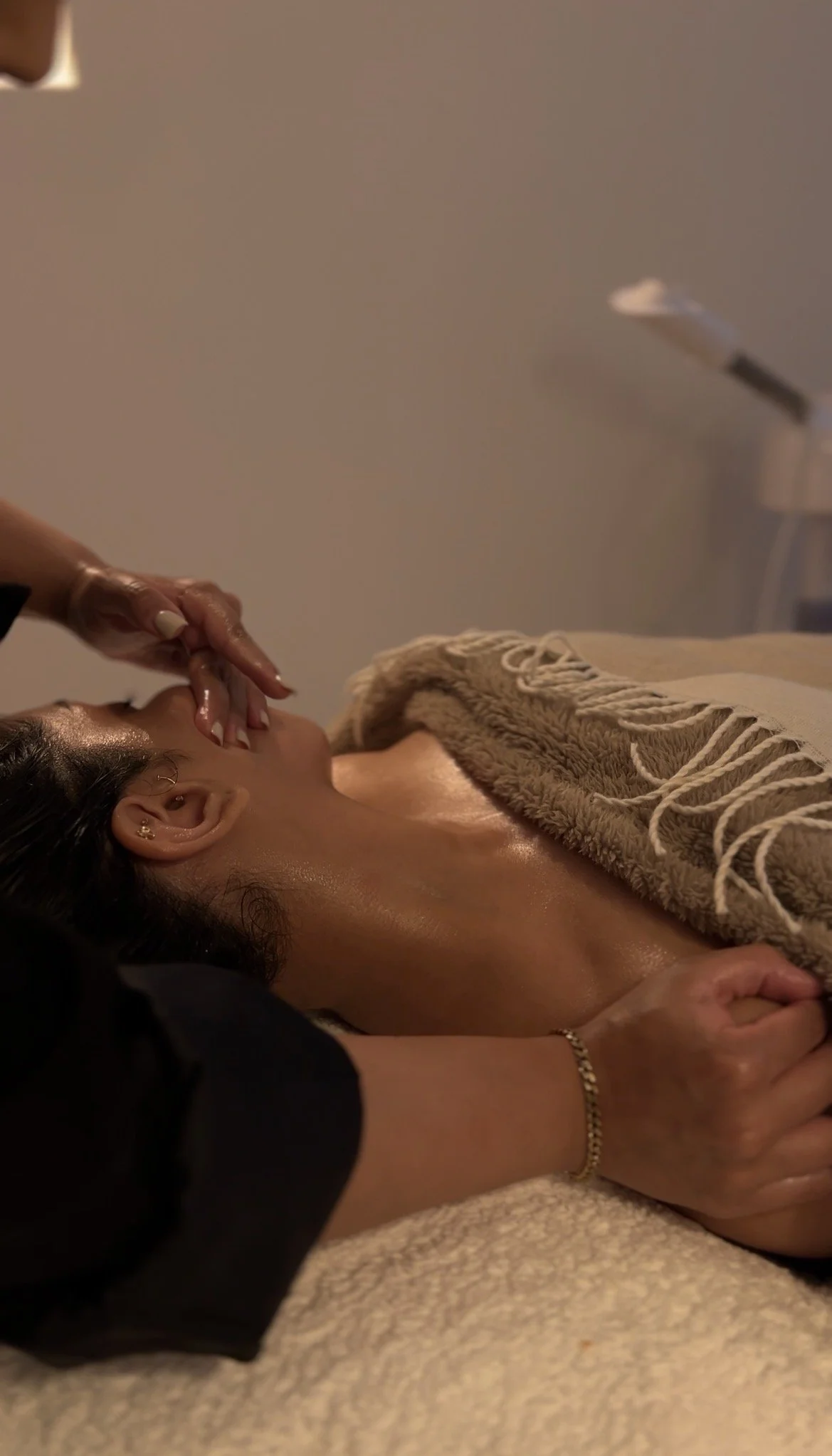
The Post-Summer Facial
Autumn can be a brilliant time to properly reassess your skin.
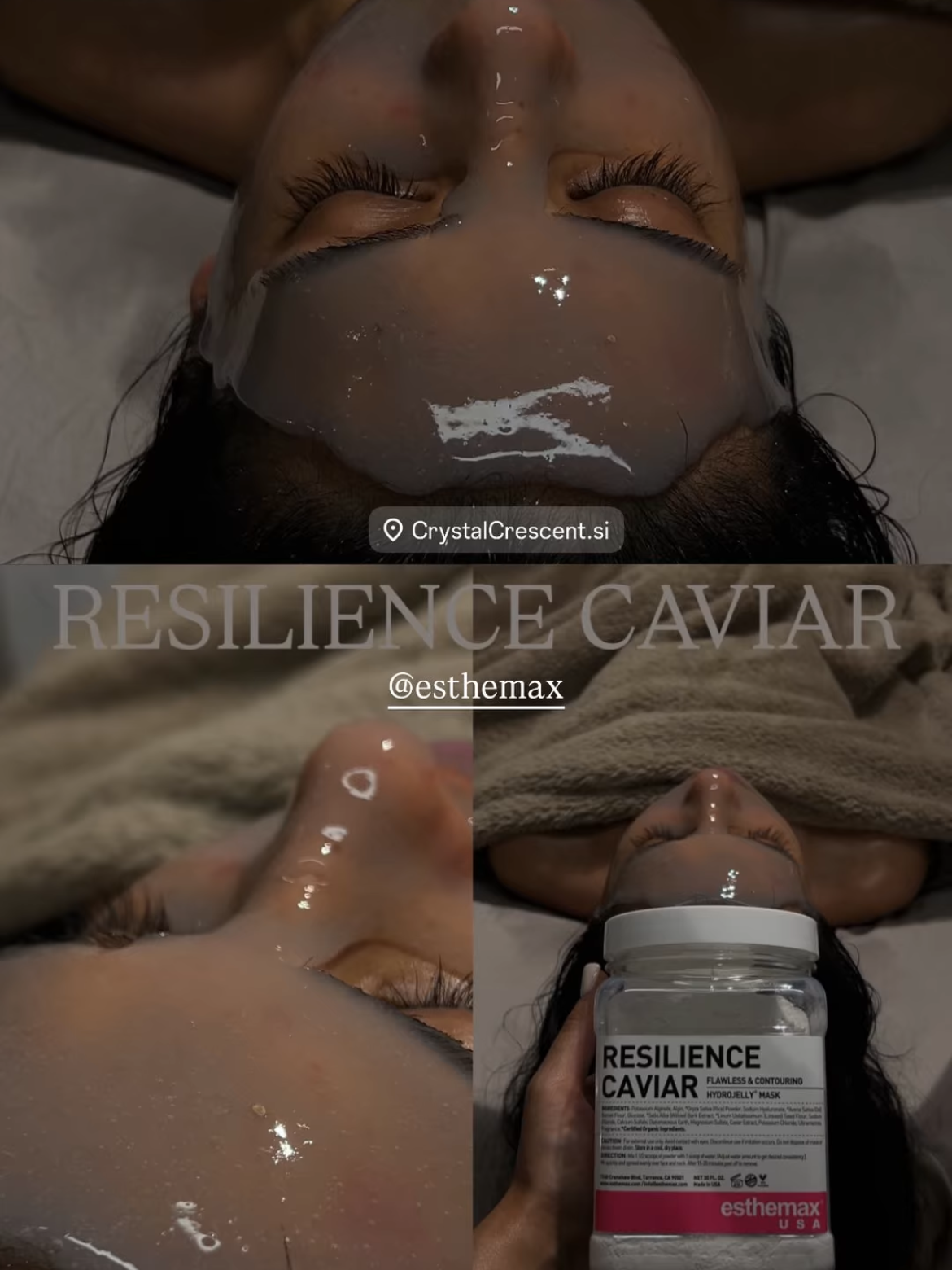
Rather than guessing from the bathroom mirror, a professional treatment gives us an opportunity to look at how the skin is actually behaving and adapt the experience around it.
For one client, the focus may be hydration and calming.
For another, it may be congestion and texture.
Some may benefit from dermaplaning to remove surface build-up and fine vellus hair, while another person's skin may need a much gentler approach.
This is why at Crystal Crescent, skincare isn't simply about performing the same facial on every person.
The treatment should make sense for the skin in front of us.
A Few Things I'd Do as We Enter Autumn
As a beauty professional, I wouldn't recommend completely rebuilding your bathroom shelf simply because September has arrived.
I'd start smaller.
Pay attention to how your skin feels immediately after cleansing.
Don't introduce multiple strong products at the same time.
Keep wearing SPF.
If your skin starts feeling tight, don't wait until it becomes visibly flaky before increasing hydration.
And remember that hot showers may feel amazing when the temperature drops, but very hot water can be unnecessarily drying for the skin.
Most importantly, don't treat every change as a problem that requires another product.
Sometimes your skin is simply asking you to adjust.
Your Skin Usually Tells You First



We notice autumn when the mornings become darker.
When the leaves begin changing.
When the heating finally goes on.
Your skin may notice it much earlier.
The slight tightness.
The change in texture.
The moisturiser that suddenly disappears into your skin.
These small changes are worth paying attention to.
Because good skincare isn't really about having the longest routine or owning the newest products.
It's about recognising what your skin needs — and knowing when those needs have changed.
Don't wait until your skin feels dry to start treating it differently.