13 - The Cuticle Debate: To Remove or Not to Remove?
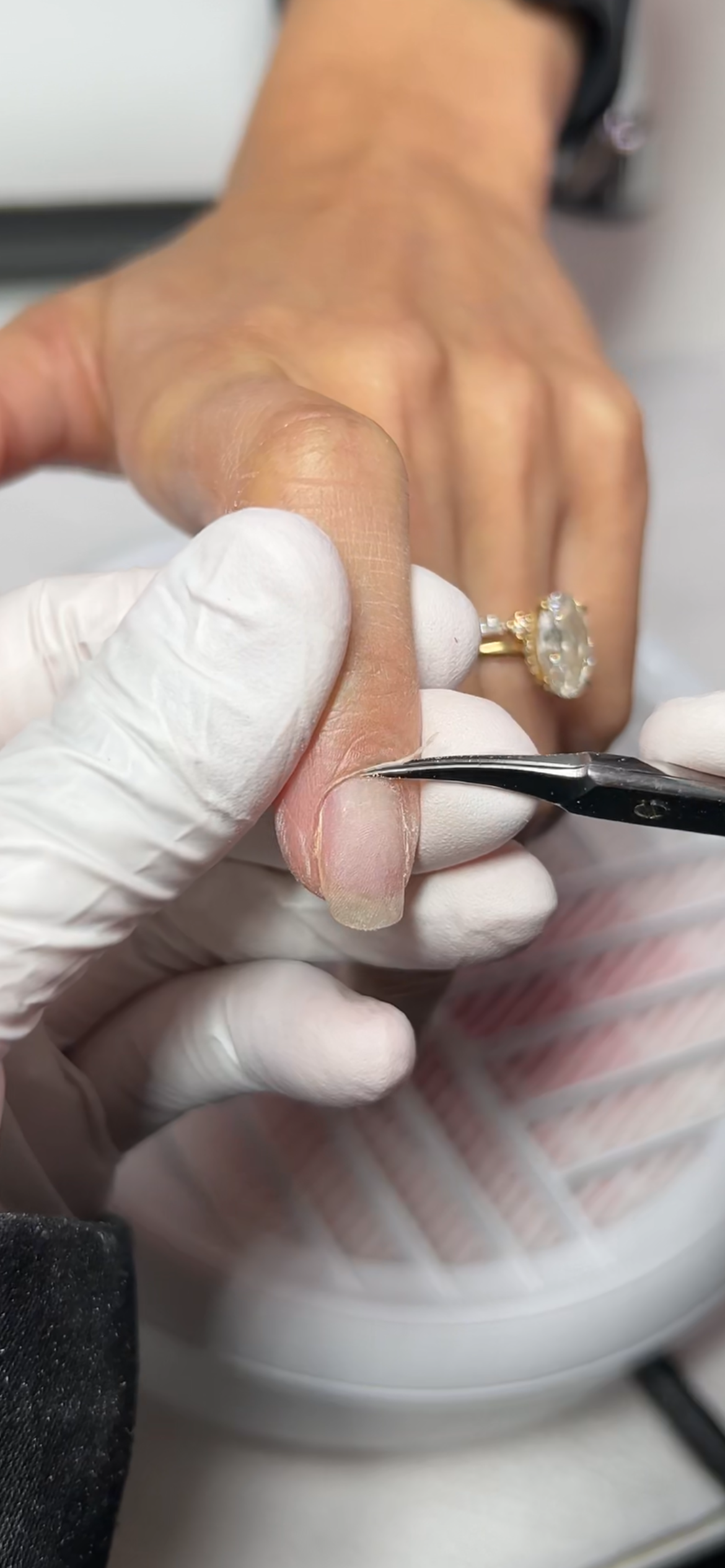
Few topics in the nail industry spark as much discussion as cuticle removal.
Some professionals believe removing the cuticle is essential for a clean, long-lasting manicure. Others believe the cuticle should be left largely untouched to protect the natural nail.
For clients, the debate can be confusing.
One appointment may involve extensive cuticle work, while another takes a far more conservative approach.
So who is right?
The answer is not as straightforward as many people think.
Understanding the Difference Between Cuticle and Skin
One of the biggest misconceptions in nail care is that everything around the nail is referred to as the cuticle.
In reality, there are two different structures.
The cuticle is a thin layer of dead tissue that attaches itself to the nail plate as the nail grows.
The eponychium, often mistaken for the cuticle, is the living skin that sits at the base of the nail and helps protect the nail matrix underneath.
Understanding this distinction is important because professional cuticle work should focus on removing excess dead tissue, not aggressively removing healthy living skin.
Why Is Cuticle Work Performed?
When preparing the nail for a manicure or gel polish application, excess cuticle on the nail plate can interfere with product adhesion.
This can contribute to:
lifting
poor retention
uneven application
a less refined finish
Removing non-living tissue from the nail plate allows products to bond more effectively and creates a cleaner appearance around the cuticle area.
This is why cuticle preparation has become a standard part of most professional nail services.
The Traditional Manicure Approach
In many salons throughout the UK, Europe, and North America, cuticle work typically involves:
softening the cuticle
gently pushing it back
removing loose excess tissue where necessary
The goal is to create a neat finish while preserving the health of the surrounding skin.
This method has been used for decades and remains one of the most widely practised approaches.
The Rise of the Russian Manicure
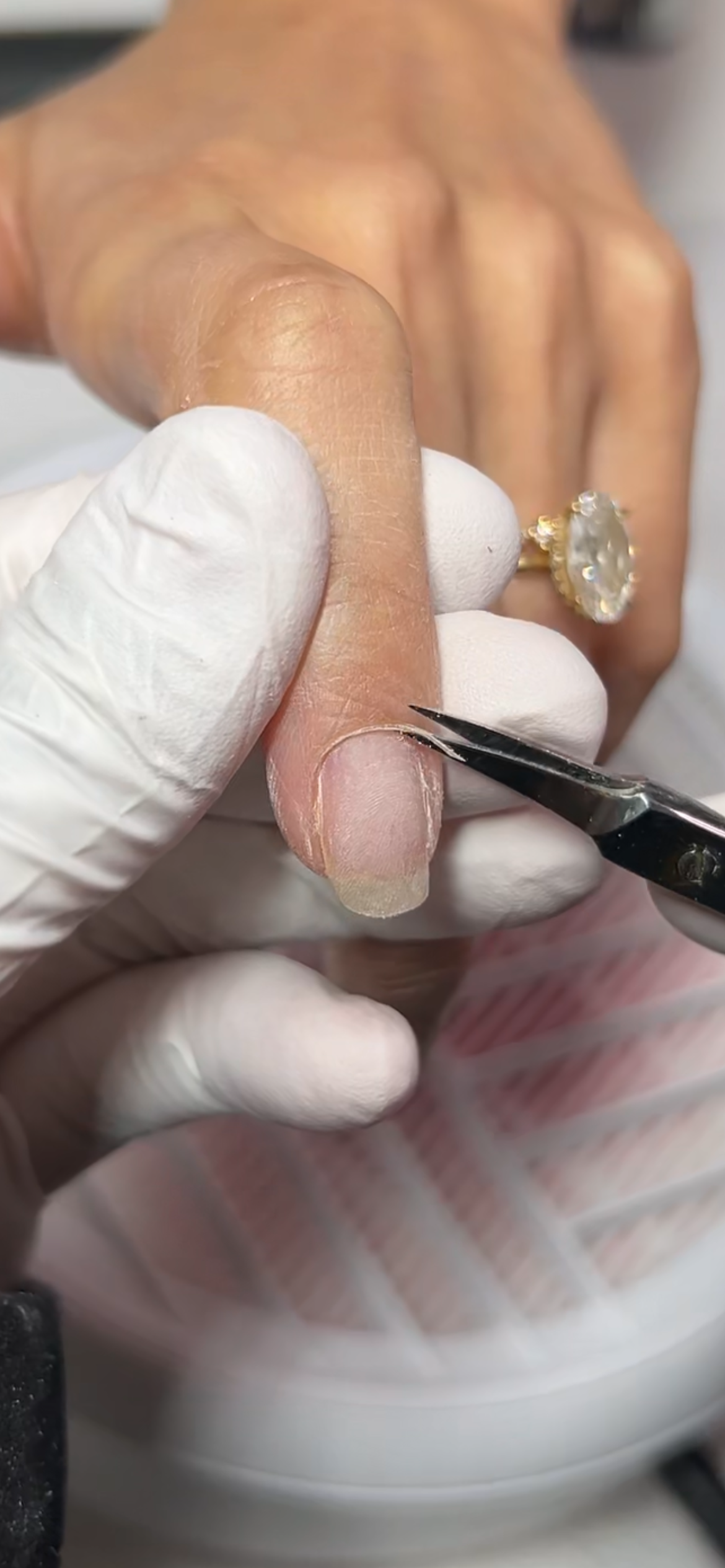
In recent years, the Russian manicure has gained significant popularity throughout the beauty industry.
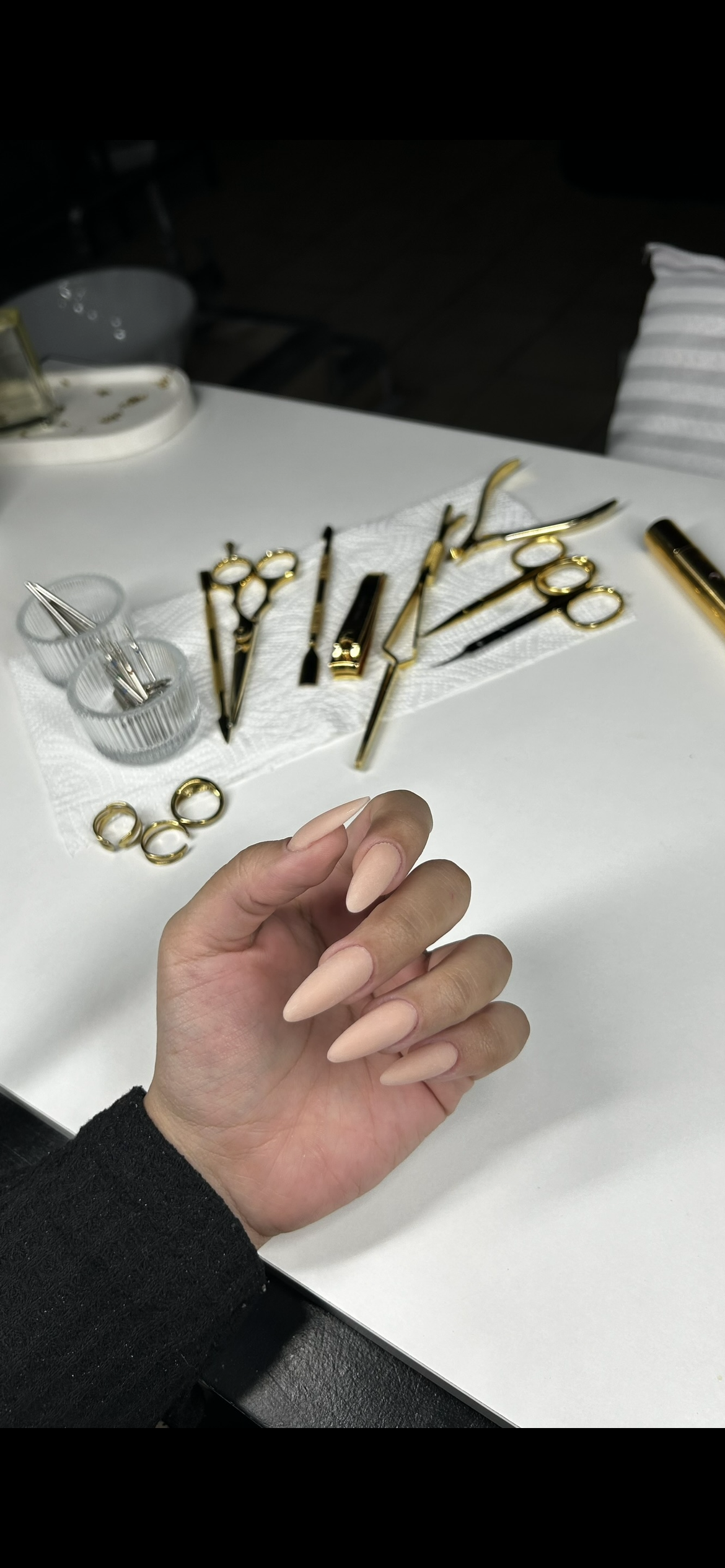
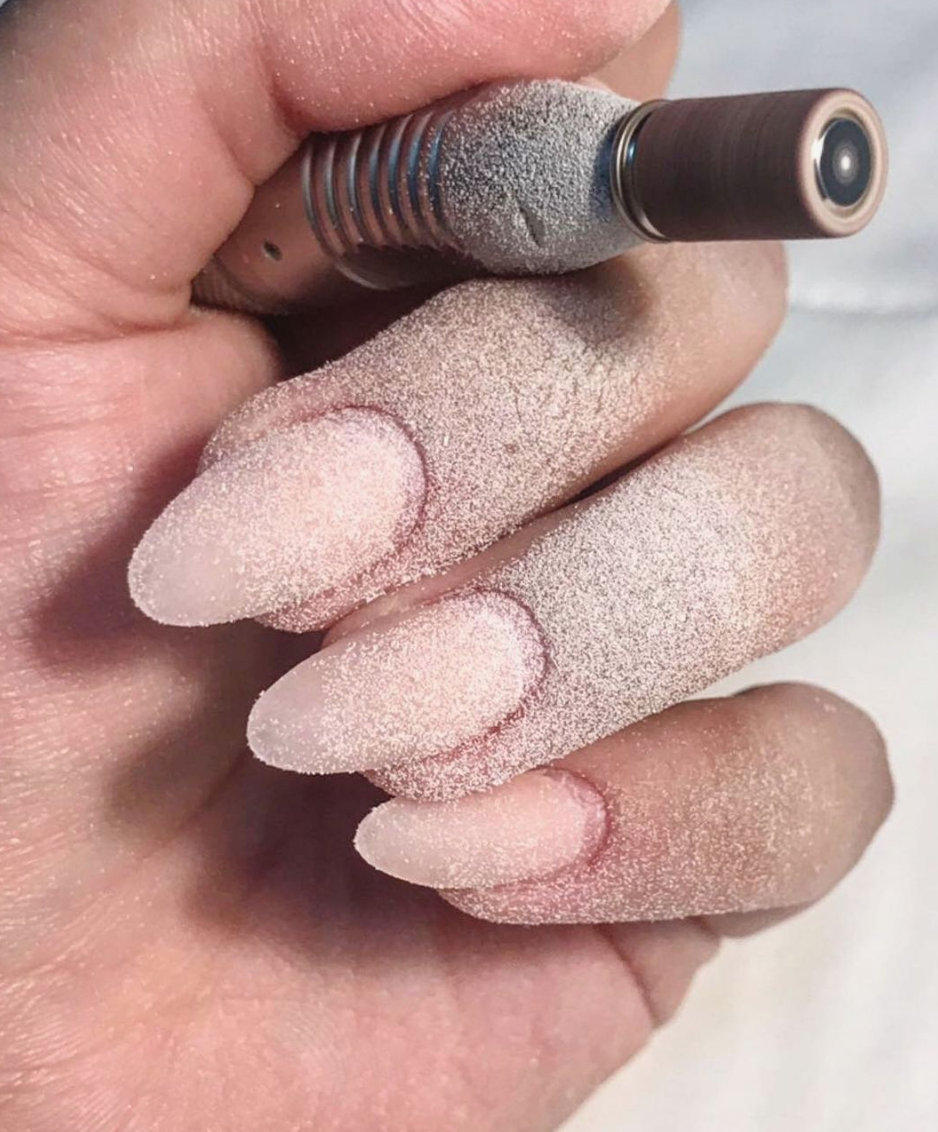
This technique uses specialised e-file bits to perform detailed cuticle work on a dry nail.
The result is often:
an extremely clean finish
precise product placement
a highly polished appearance
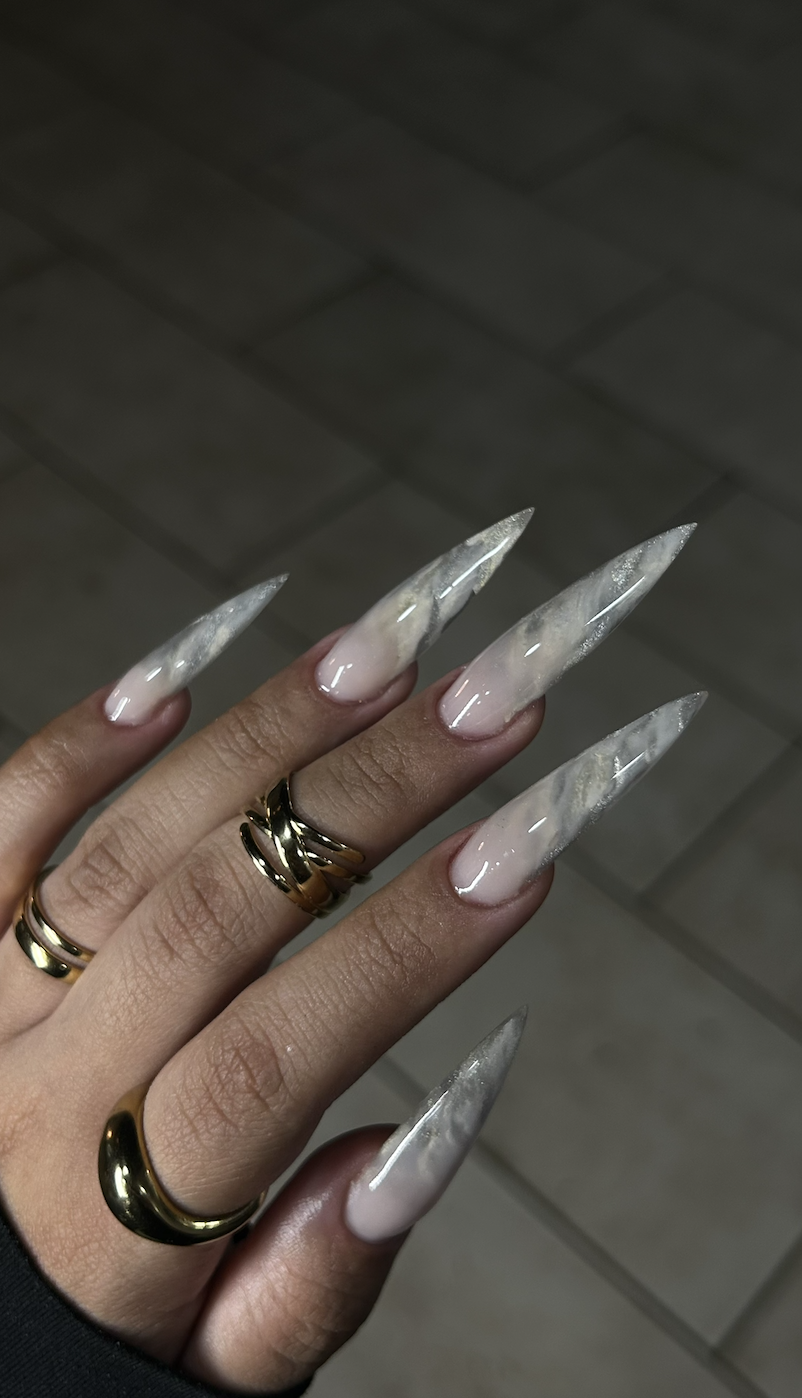
For many clients, the visual result is impressive.
However, Russian manicures require advanced training, a thorough understanding of nail anatomy, and careful execution.
When performed incorrectly, overly aggressive cuticle work can lead to irritation, sensitivity, or damage to the surrounding skin.
Like any technique, the outcome depends heavily on the skill of the technician performing it.
Why Some Professionals Prefer a Conservative Approach
Not every technician believes extensive cuticle removal is necessary.
Many modern educators encourage a more conservative approach, focusing on preserving the natural protective structures around the nail.
The reasoning is simple.
The skin around the nail serves an important purpose. It helps protect the nail matrix and acts as a barrier against bacteria and environmental stressors.
Removing too much tissue can sometimes create problems rather than prevent them.
For this reason, many professionals focus on maintaining the area rather than removing everything visible.
The Real Question Isn't Whether Cuticles Should Be Removed
Perhaps the debate has been framed incorrectly all along.
The question is not:
"Should cuticles be removed?"
A better question might be:
"How much cuticle work is appropriate for this individual?"
Every client is different.
Factors such as:
skin type
nail growth
lifestyle
product choice
sensitivity
all influence what approach may be most suitable.
What works beautifully for one client may not be the best option for another.
What Clients Should Look For
Regardless of the technique used, healthy cuticle work should never feel aggressive.
Clients should expect:
gentle handling
proper hygiene
minimal discomfort
healthy-looking skin after treatment
The goal is not to remove as much as possible.
The goal is to create a beautiful result while respecting the natural structures that protect the nail.
A Balanced Perspective
The beauty industry continues to evolve.
Techniques change, trends shift, and professionals continue to learn more about nail anatomy and long-term nail health.
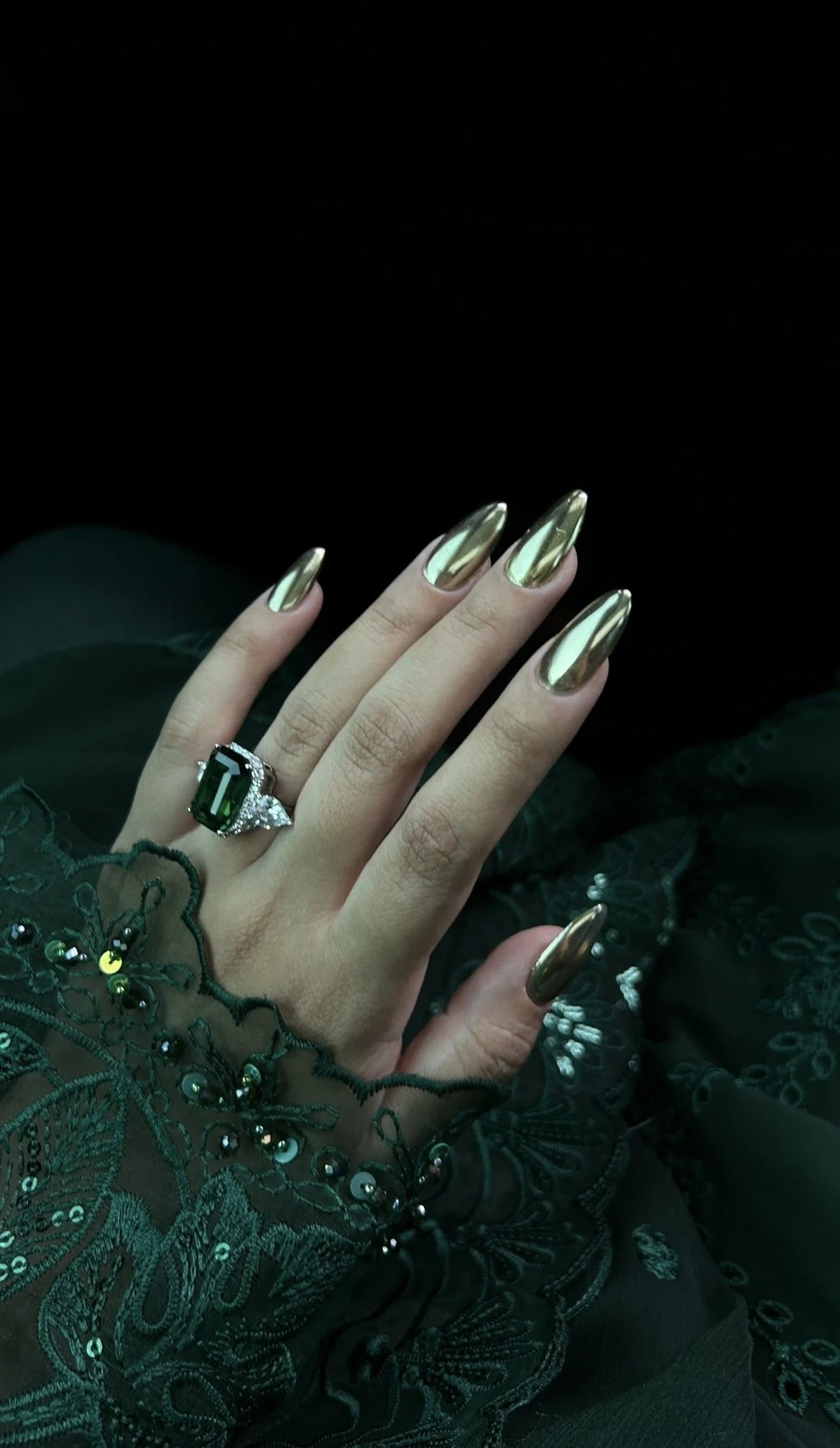
Whether a technician prefers traditional methods, modern Russian techniques, or a more conservative approach, the best results often come from balance rather than extremes.
Because good cuticle care is not about removing everything you can see —
it is about understanding what should be removed, what should be protected, and why both matter.
View our collection of nail care tools and essentials.
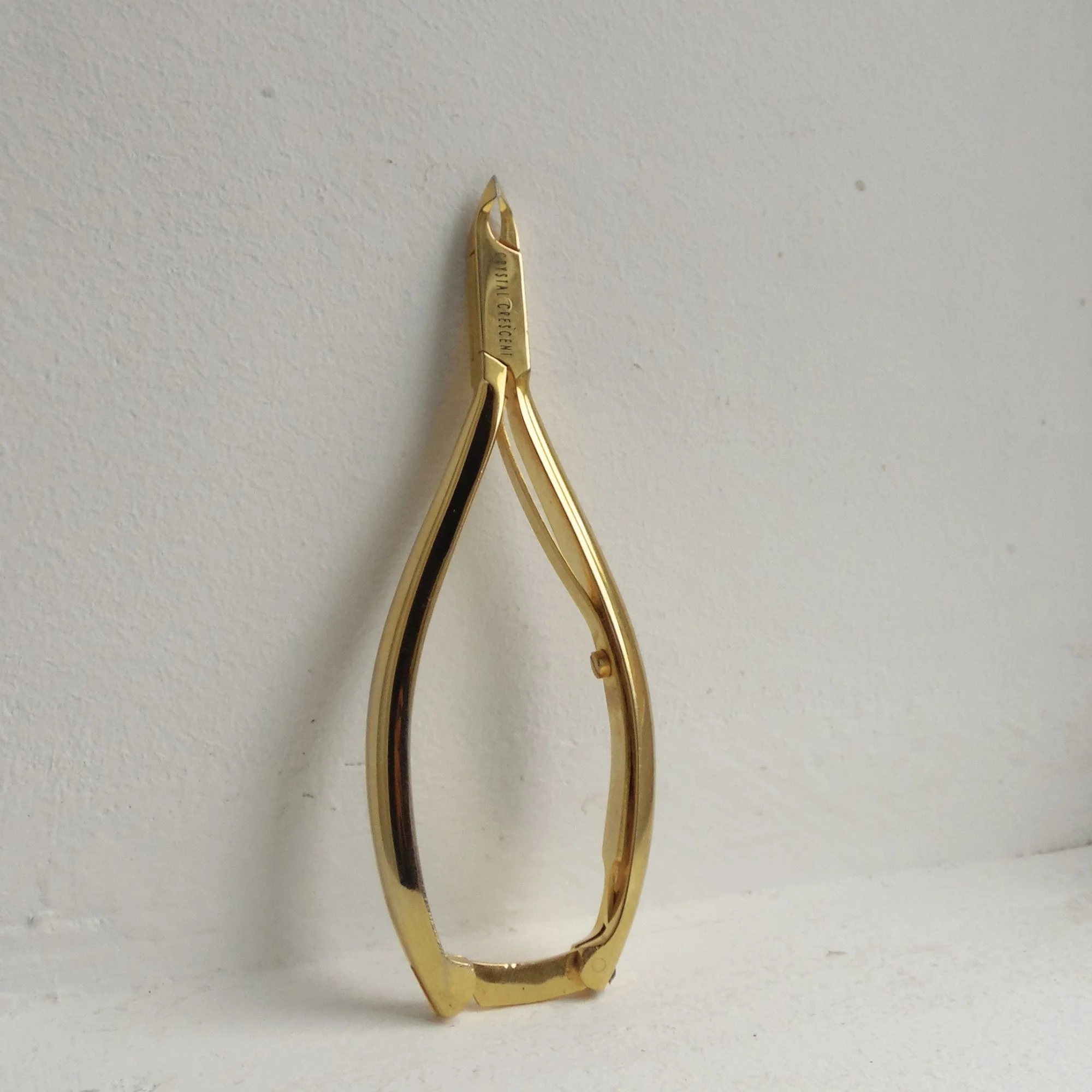
Crafted for precision and control, the Amara Cuticle Nipper is a professional-grade tool designed to deliver clean, refined cuticle work with ease.
Engineered for professional use, this precision tool allows for:
Clean removal of excess cuticle
Refined nail preparation
Improved manicure finish and detail
Greater control during technical nail work
Care Instructions
Clean and sanitise thoroughly after each use. Store in a dry, hygienic environment suitable for professional tools.