The technique behind beautifully maintained natural nails — and why sometimes, less really is more.
There is something incredibly satisfying about a beautifully maintained natural nail.
No extensions. No builder gel. No acrylic. Sometimes, not even a layer of polish.
Just neatly shaped nails, carefully maintained surrounding skin and a clean, understated finish.
Yet when people hear the words Russian manicure, they often imagine an elaborate nail treatment involving multiple products, long appointments and a flawless gel finish.
The reality is that a Russian manicure refers primarily to a manicure technique, not a particular nail colour, shape or enhancement.
And understanding that difference might change the way you think about your next nail appointment.
So, What Exactly Is a Russian Manicure?
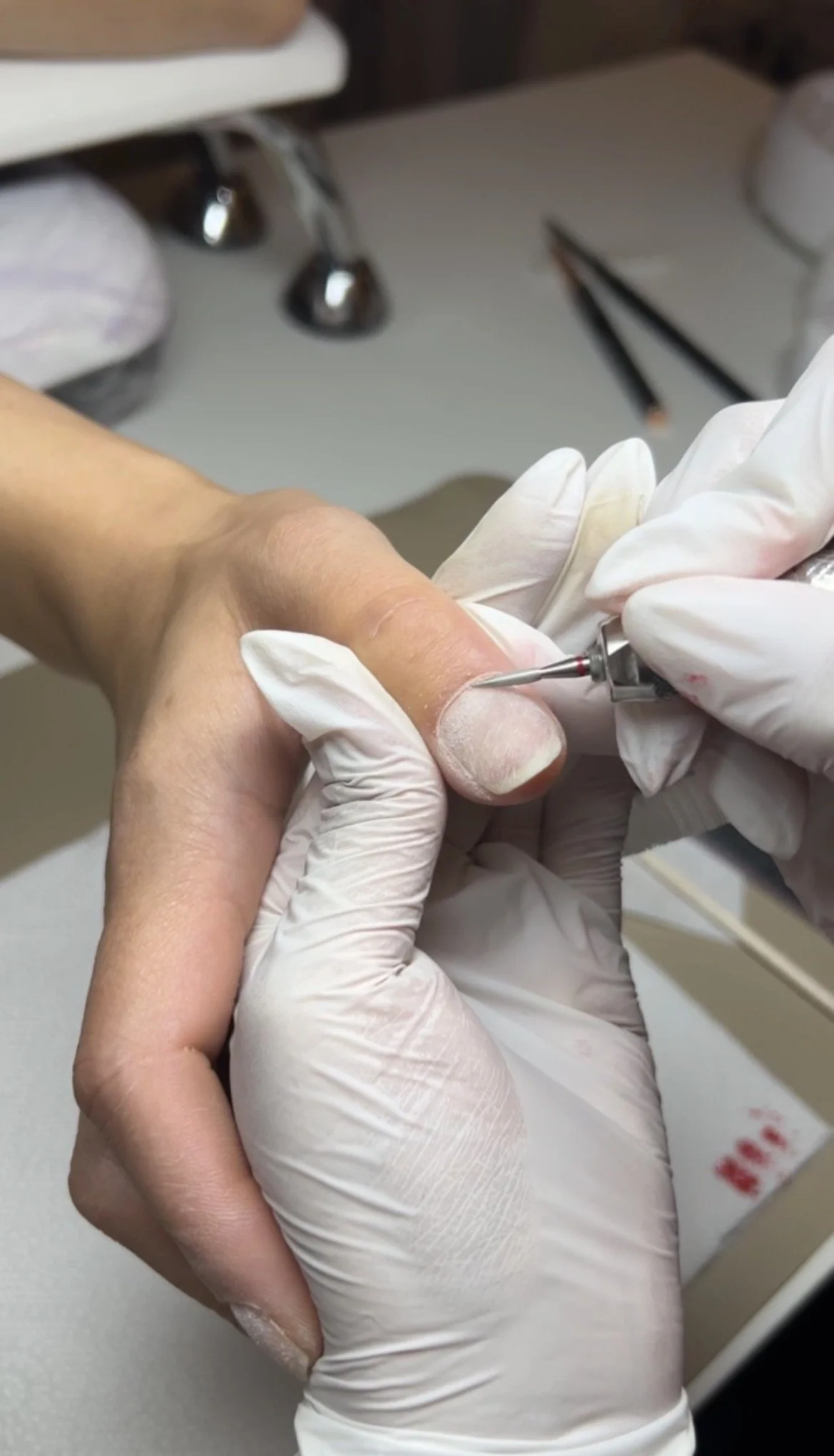
A Russian manicure, often called a dry manicure or e-file manicure, is a specialised nail preparation technique known for its detailed work around the nail plate and cuticle area.
Unlike a traditional manicure, which may involve soaking the fingertips in water to soften the surrounding skin, this method is typically performed dry.
A trained nail technician uses an electric nail file with specialist bits, sometimes alongside precision hand tools, to work around the nail.
The aim is a highly detailed, refined appearance.
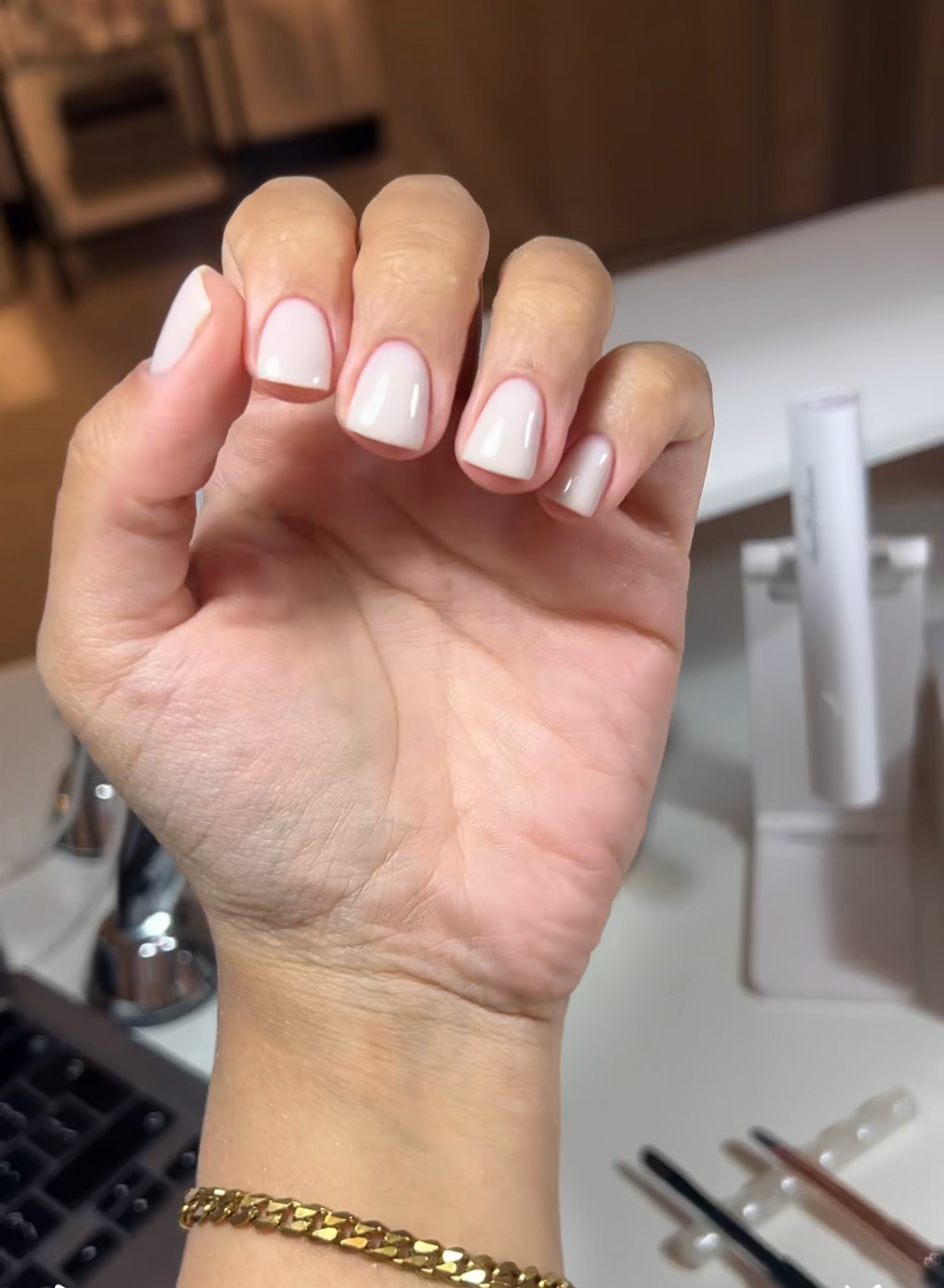
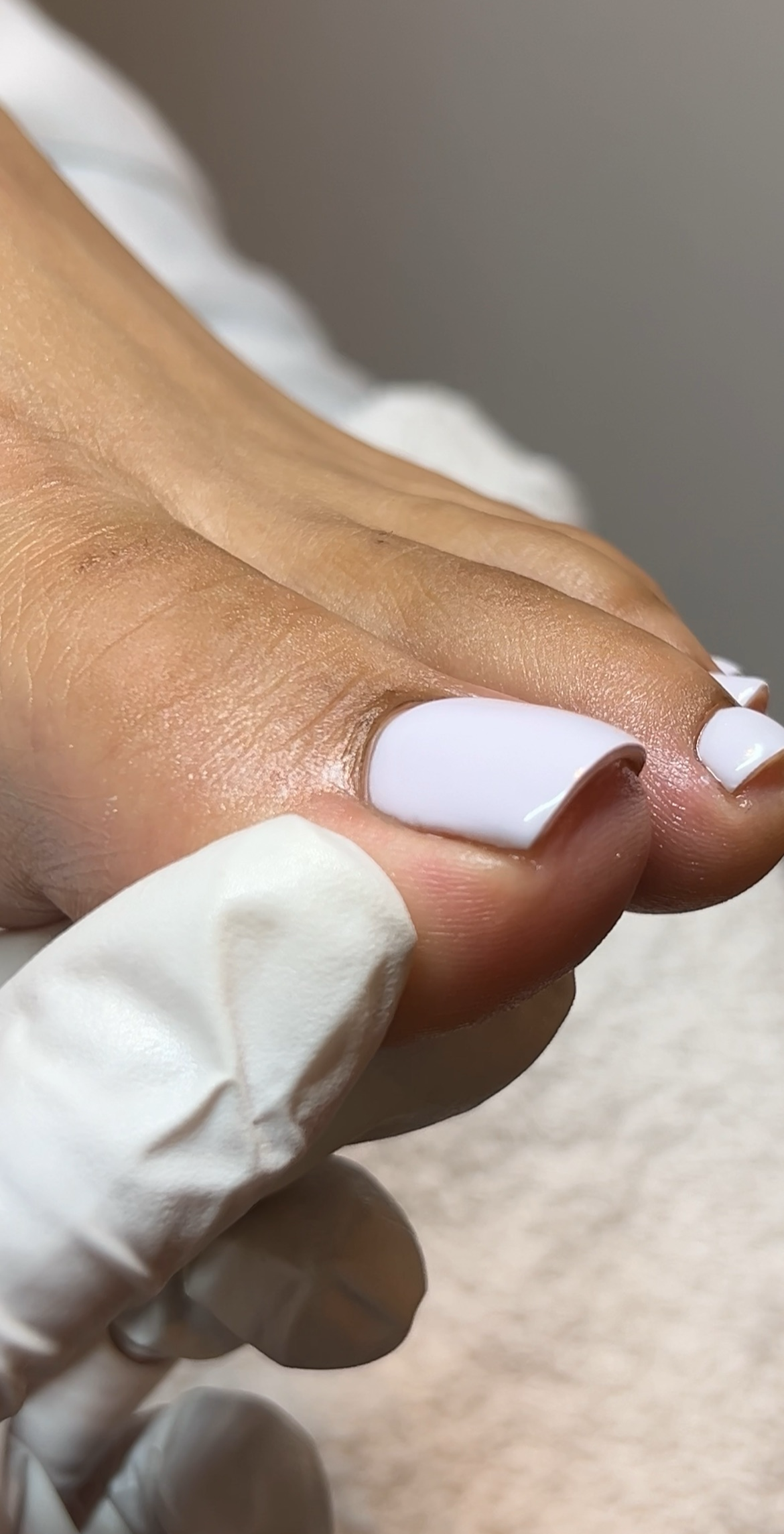
The technique has become particularly recognisable for its exceptionally neat cuticle line and the close application of gel polish.
However, an important distinction often gets lost online.
The manicure itself is not the gel, acrylic or builder product applied afterwards.
Those are separate services that may be combined with the preparation.
A Russian manicure can also be performed as a standalone treatment, although the level of cuticle work must always be assessed carefully.
Why Has It Become So Popular?
If you've spent any time watching nail videos, you'll probably recognise the results.
Close-up footage of perfectly shaped nails.
Precise work around the cuticle area.
A smooth-looking nail surface.
And, frequently, gel polish applied incredibly close to the base of the nail.
The finished result is visually satisfying, particularly when filmed under bright lighting and a macro lens.
But the appeal isn't simply about how a manicure looks on camera.
It's also about attention to detail.
For clients who prefer short, natural-looking nails, the preparation and finish can be just as important as the colour.
And for some, the most appealing part is having their own nails maintained without adding an enhancement.
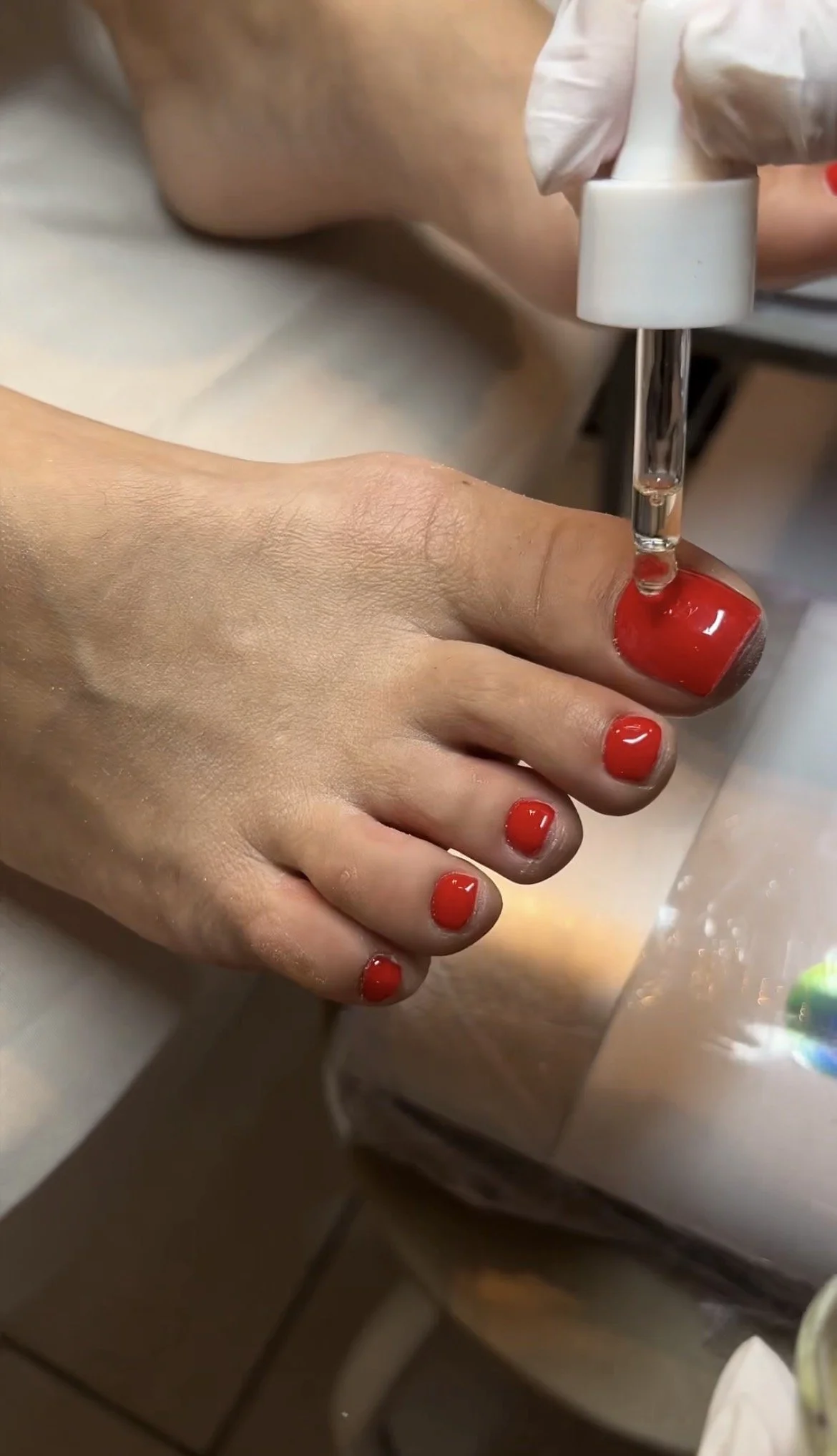
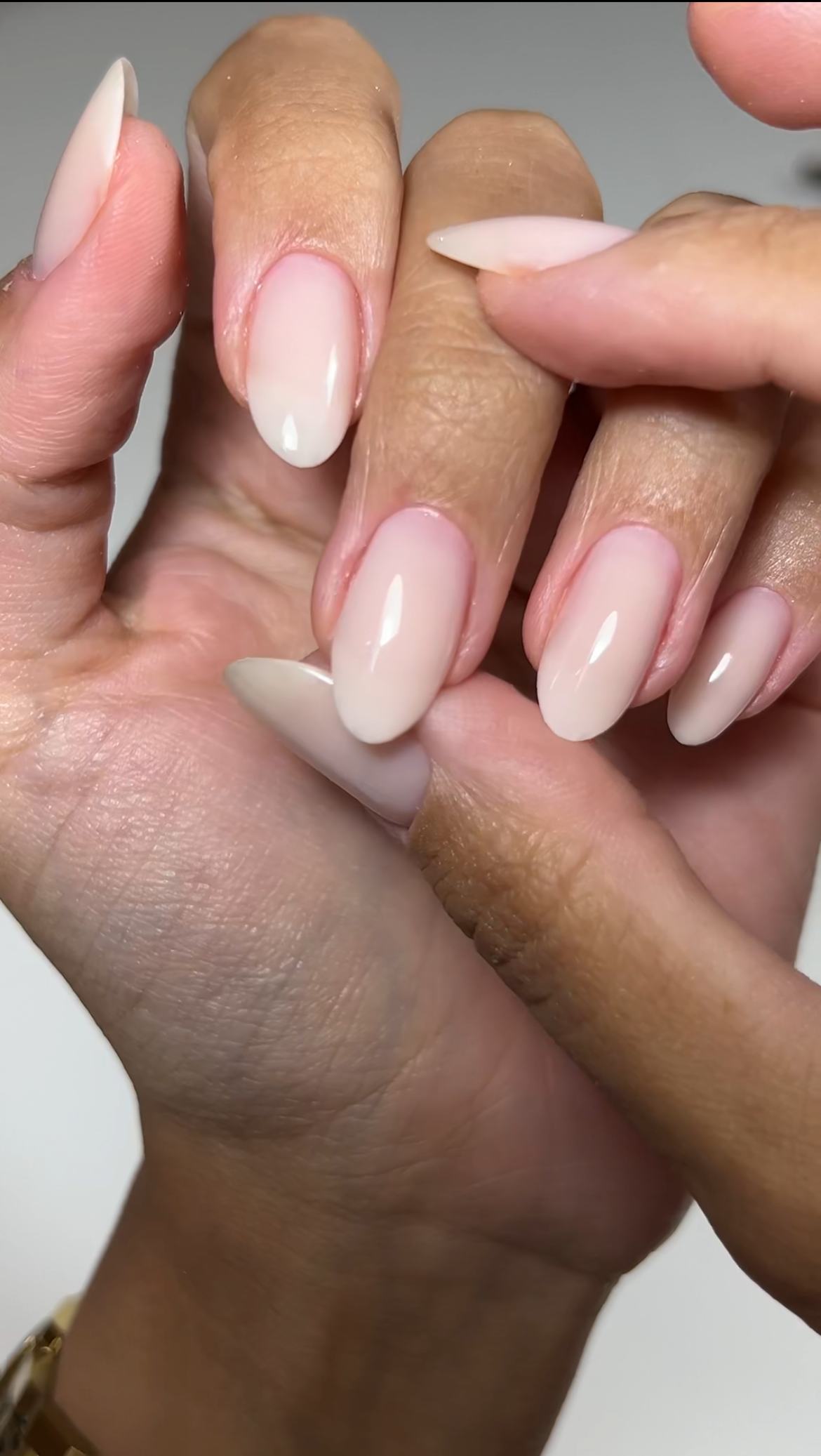
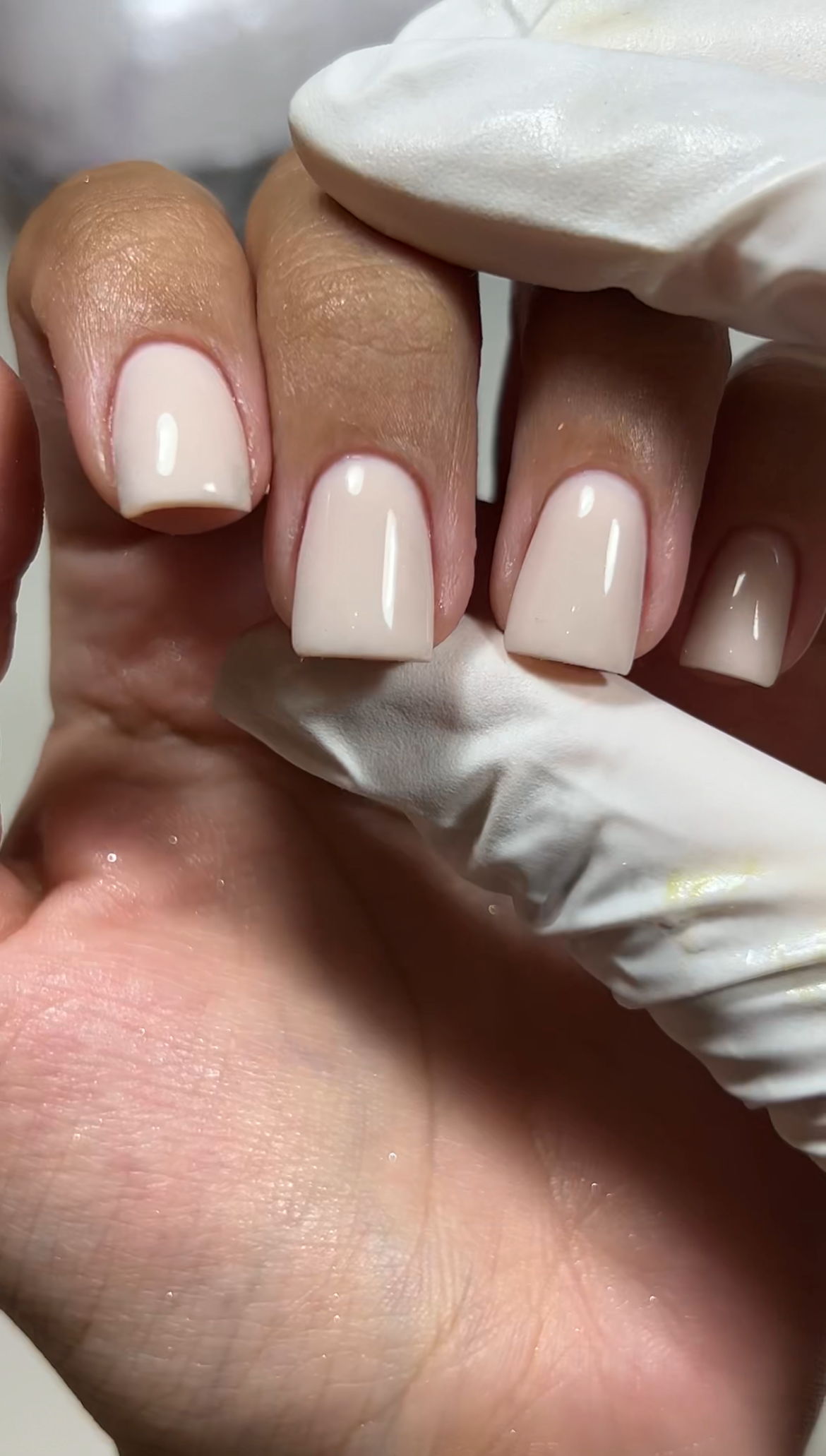
A Russian Manicure Doesn't Have to Include an Overlay
This is something worth talking about more often.
Not every client wants acrylic.
Not every natural nail needs builder gel.
And not everyone wants to wear gel polish continuously.
At Crystal Crescent, some clients choose appointments focused on maintaining their natural nails rather than adding length, structure or colour.
For these clients, the priority may simply be shaping, assessing the condition of the nails, gentle grooming where appropriate and finishing with nourishing care.
There is a certain beauty in leaving the natural nail visible.
You can see its shape, length and condition without a coating covering it.
You can maintain a manageable length.
And you can enjoy the appearance of freshly groomed hands without committing to another product application.
A manicure doesn't have to end with a bottle of gel polish to be a complete treatment.
Does That Mean It's Healthier for Your Nails?
Not automatically.
This is where it's important to separate nail maintenance from nail health.
Choosing to go without acrylic, builder gel or gel polish means avoiding the application and removal processes associated with those products during that appointment.
For someone who has experienced repeated filing, picking, peeling or traumatic product removal, a period without enhancements may allow damaged nail material to grow out without further cosmetic interference.
However, a bare nail isn't automatically a healthy nail, and an enhancement isn't automatically damaging.
Likewise, a Russian manicure isn't inherently healthier because it's detailed.
The natural nail has protective structures, including the cuticle, which helps seal the area between the skin and nail plate.
Aggressively removing this protective barrier can increase the risk of irritation, inflammation and infection.
That means the goal should never be to remove as much skin as possible simply to achieve a cleaner-looking photograph.
Good nail care should respect the natural nail, not compromise it in pursuit of perfection.
The Difference Between Detailed Preparation and Over-Preparation
One of the biggest misconceptions in modern nail care is that more preparation always means better preparation.
It doesn't.
There is a difference between carefully removing superficial debris from the nail plate and repeatedly filing the natural nail until it becomes thin or sensitive.
There is also a difference between tidying visibly loose, non-living skin and cutting into protective living tissue.
An experienced technician should recognise those boundaries.
A clean manicure should not require bleeding, raw skin or discomfort.
In fact, knowing when to stop is just as important as knowing how to use the tools.
The technique may be precise, but precision without restraint can still cause damage.
Why Some Clients Prefer Their Natural Nails
There are plenty of reasons someone might choose to stop wearing enhancements or simply prefer a bare manicure.
Sometimes it's a lifestyle choice.
Short natural nails may be easier to manage for certain jobs, hobbies or daily routines.
Sometimes it's aesthetic.
Not everybody wants colour, length or added thickness. Some people simply prefer the appearance of their own nails.
And sometimes it's about reassessing nail care.
A client who has experienced damaged nails may want to focus on gentle maintenance while the affected nail grows out.
That doesn't mean a manicure repairs existing damage or accelerates nail growth.
It means choosing a routine that avoids unnecessary stress and allows the nail's condition to be monitored.
For these clients, the appointment isn't about creating something artificial.
It's about maintaining what's already there.
What Should a Natural-Nail Appointment Actually Involve?
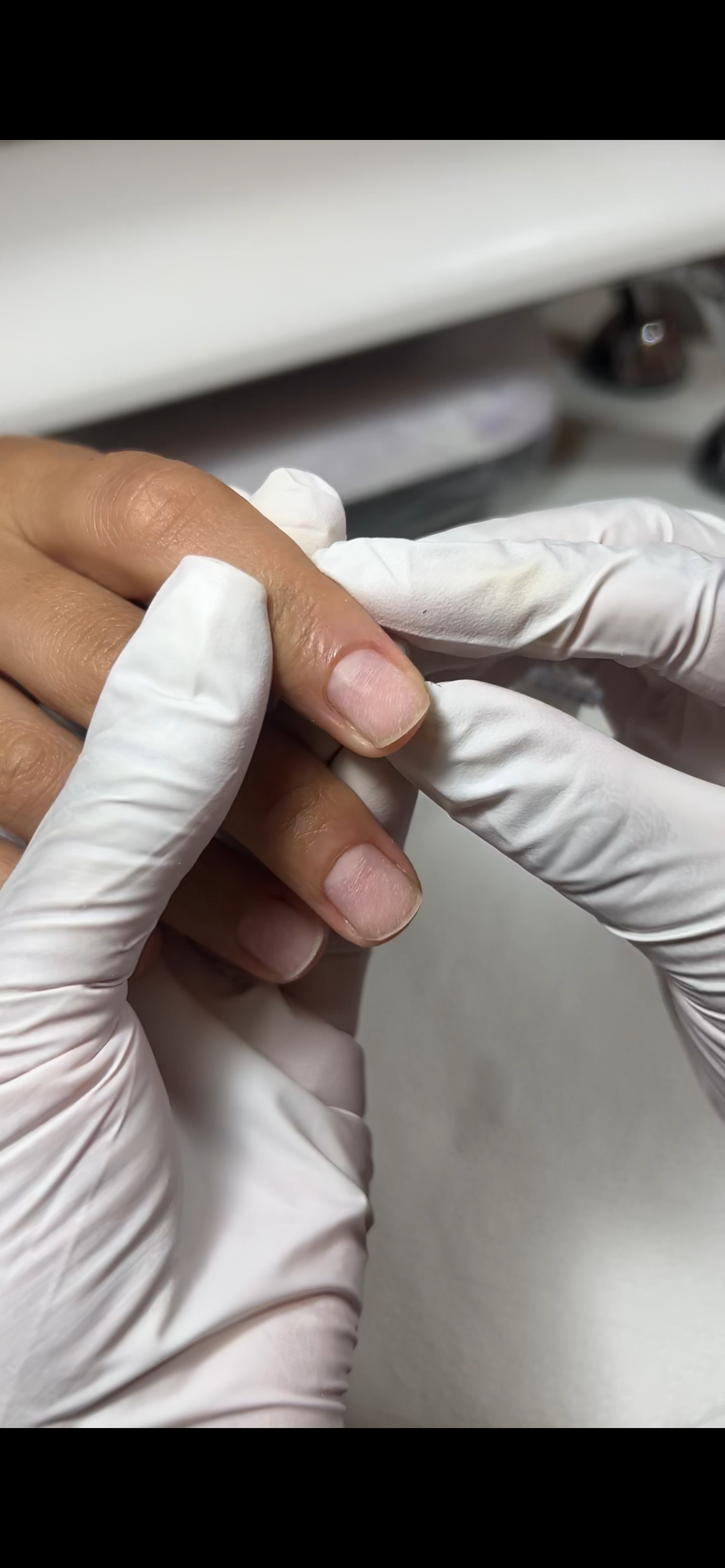
A good natural-nail appointment begins with looking at the nails, not immediately reaching for an electric file.
The technician should consider their condition, thickness, surrounding skin and any signs that treatment may need to be modified or postponed.
From there, the service might include:
Gentle shaping to maintain a comfortable, practical length.
Cleaning the nails without unnecessarily thinning the nail plate.
Conservative grooming of loose surrounding skin, while preserving the protective cuticle barrier.
Moisturising and conditioning the hands and surrounding skin.
Advice on maintaining the nails between appointments.
Not every client requires every step.
And not every client is suitable for intensive e-file cuticle work.
The most appropriate treatment is the one adapted to the person sitting in the chair.
The Importance of Aftercare
Whether you're wearing gel polish or leaving your nails completely bare, what happens between appointments matters.
Regularly moisturising your hands and applying cuticle oil can help condition the surrounding skin and reduce dryness.
Keeping nails at a manageable length may also help minimise accidental catching and breakage.
Gloves are useful when cleaning or working with detergents, and avoiding picking or biting helps prevent unnecessary trauma.
Most importantly, pay attention to changes.
Persistent redness, swelling, pain, lifting or unusual discolouration shouldn't simply be covered with another product. These changes may need assessment by an appropriate healthcare professional.
Healthy nail maintenance is about consistency, not aggressive treatment.
Do You Really Need Anything on Your Nails?
No.
And perhaps that's the most overlooked part of the conversation.
We've become so accustomed to manicures being associated with gel, acrylic, extensions and nail art that it's easy to forget the manicure existed long before many of those products.
A manicure can be about grooming.
It can be about maintenance.
It can be about enjoying an hour having your hands looked after.
It doesn't always have to involve changing the appearance of the natural nail entirely.
For some clients, the perfect finish is a glossy nude overlay.
For others, it's a beautifully shaped natural nail with nothing on it at all.
Neither choice is more valid than the other.
Sometimes, the Treatment Is Simply the Manicure
Russian manicures have earned attention for their precision and immaculate-looking finishes.
But the conversation shouldn't stop at how close the polish sits to the cuticle or how flawless the result appears on social media.
It should also include technique, restraint, nail condition and the importance of protecting the structures that keep our nails healthy.
At Crystal Crescent, we believe nail services should be tailored to the individual, whether that means a full enhancement or a carefully considered natural-nail appointment.
Because the purpose of a good manicure isn't always to add something.
Sometimes, it's knowing when nothing needs to be added at all.
Beautiful nails don't always need a coating. And good nail care should never come at the expense of nail health.